
Why Some Preschoolers Struggle with Separation Anxiety
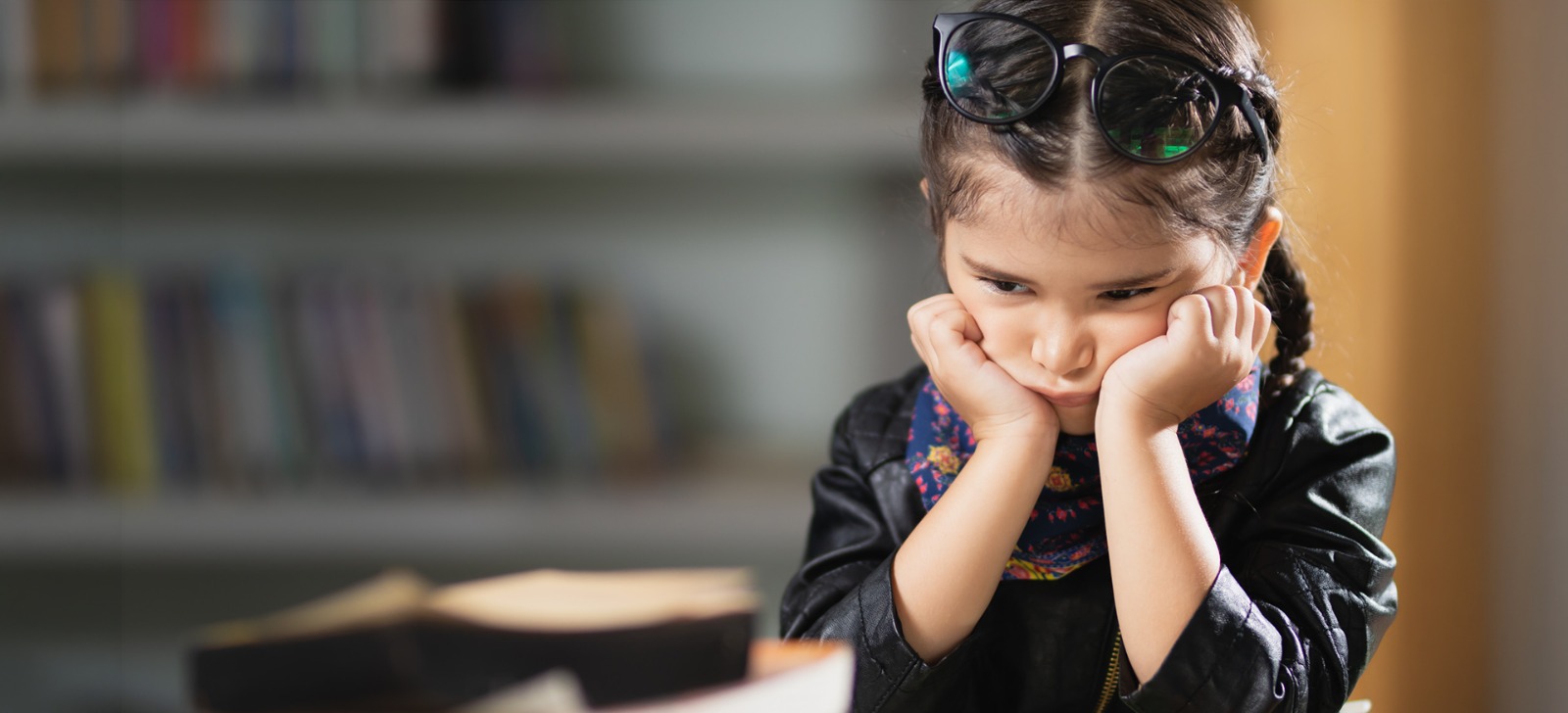
Starting preschool is a major milestone for young children. While some children adjust quickly to new environments and routines, others may struggle emotionally when separated from parents or caregivers. Crying during drop-offs, clinginess, or fear of being left alone are common signs of separation anxiety during the preschool years.
Although these reactions can feel stressful for parents, separation anxiety is usually a normal part of emotional development. With patience and support, children gradually become more comfortable and confident.
Understanding Separation Anxiety
Preschoolers develop strong emotional attachments with familiar people. When separated from parents, especially in unfamiliar settings, they may feel uncertain or unsafe.
Common signs of separation anxiety include:
-
Crying during school drop-offs
-
Clinginess
-
Fear of unfamiliar environments
-
Difficulty calming down
-
Reluctance to join activities
These behaviours often improve as children adjust to routines and surroundings.
|
Situation |
Child’s Response |
Supportive Approach |
|
First days of preschool |
Crying or clinginess |
Offer reassurance and patience |
|
Change in routine |
Anxiety or resistance |
Maintain predictable schedules |
|
Unfamiliar environment |
Fear or withdrawal |
Introduce surroundings gradually |
Why Some Children Struggle More
Every child responds differently to change. Some preschoolers are naturally more sensitive and may need extra reassurance during transitions.
Factors that can increase separation anxiety include:
-
Sudden routine changes
-
Limited social interaction
-
Fear of unfamiliar places
-
Strong dependence on caregivers
Understanding these triggers helps parents respond more calmly and supportively.
The Importance of Consistent Routines
Children feel more secure when routines remain predictable. Familiar schedules help preschoolers understand what to expect and reduce uncertainty.
Simple habits such as:
-
Regular morning routines
-
Consistent pick-up times
-
Calm drop-off practices
can help children feel emotionally safer during separation.
Helping Children Feel Secure
Children often respond positively when parents remain calm and reassuring. Long emotional goodbyes may increase anxiety, while short and confident farewells help children settle more comfortably.
Parents can support children by:
-
Acknowledging feelings calmly
-
Encouraging gradual independence
-
Praising small improvements
-
Staying patient and consistent
These small steps gradually build confidence and emotional security.
Conclusion
Separation anxiety is a common part of early childhood, and children adjust at different speeds. With emotional support, predictable routines, and patient guidance, preschoolers slowly become more comfortable during separations.
Helping children feel safe, understood, and supported during this stage can create a more positive preschool experience and encourage healthy emotional growth.