
Why Repetition Matters in Early Childhood Learning
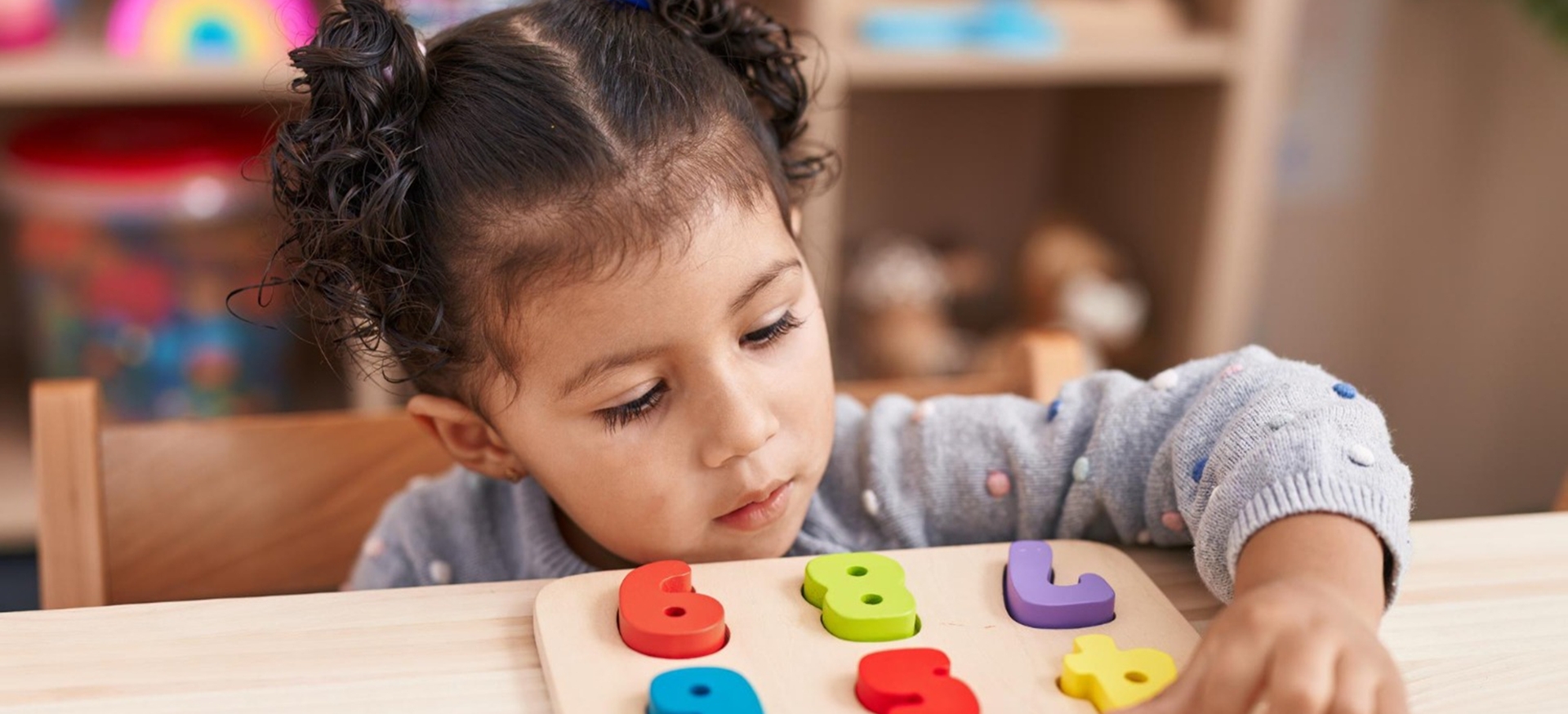
In early childhood education, repetition is not a sign of monotony. It is a powerful learning strategy. Young children learn best when they experience concepts multiple times in different forms. Whether it is repeating a rhyme, practising a movement, or revisiting a story, repetition strengthens understanding and builds confidence. In nurturing early learning environments, repeated exposure forms the foundation for long-term growth.
How the Young Brain Learns
During the early years, a child’s brain develops rapidly. Neural connections are formed through repeated experiences. When children hear the same words, see the same patterns, or practise the same activity regularly, these connections become stronger. Repetition supports memory consolidation, making learning more stable and lasting.
Language Development Through Repetition
One of the clearest examples of repetition in early learning is language development. Children learn new words by hearing them repeatedly in conversations, songs, and stories. Repeating rhymes and phrases helps children internalise vocabulary, pronunciation, and sentence structure. Over time, repetition builds fluency and confidence in communication.
Repetition and Skill Mastery
| Skill Area | Repeated Activity | Learning Outcome |
|---|---|---|
| Fine Motor Skills | Tracing, colouring, beading | Improved hand coordination |
| Gross Motor Skills | Climbing, jumping, balancing | Better physical control |
| Early Literacy | Story reading and phonics practice | Stronger word recognition |
| Numeracy | Counting songs and sorting games | Understanding number patterns |
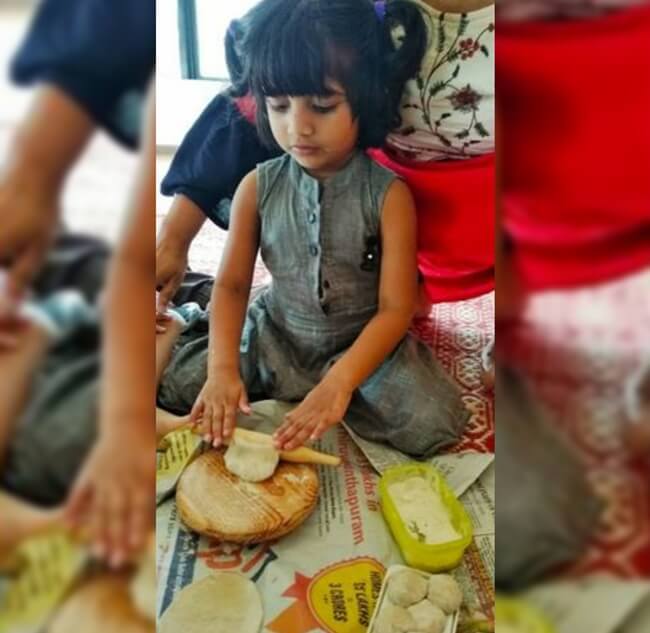
Repeated practice allows children to refine their skills gradually. What may seem simple to adults often requires multiple attempts for young learners. Through repetition, children move from basic imitation to confident execution.
Building Confidence Through Familiarity
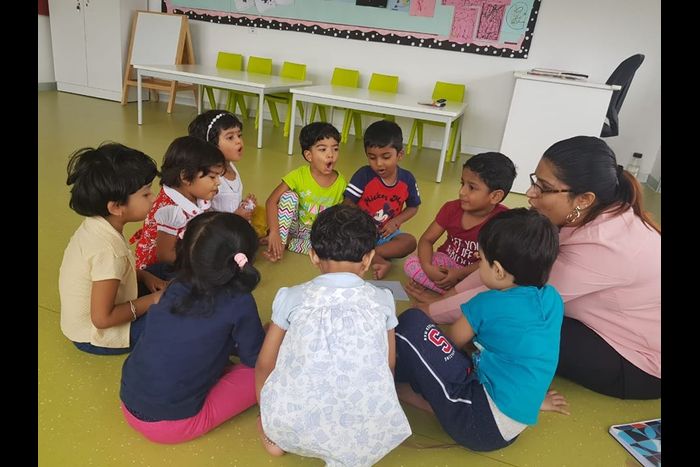
Repetition creates predictability. When children know what to expect, they feel secure and confident. Repeating routines such as circle time, clean-up activities, or greeting rituals provides emotional comfort. Familiar patterns reduce anxiety and encourage participation, especially for younger children adjusting to structured environments.
Repetition in Play-Based Learning
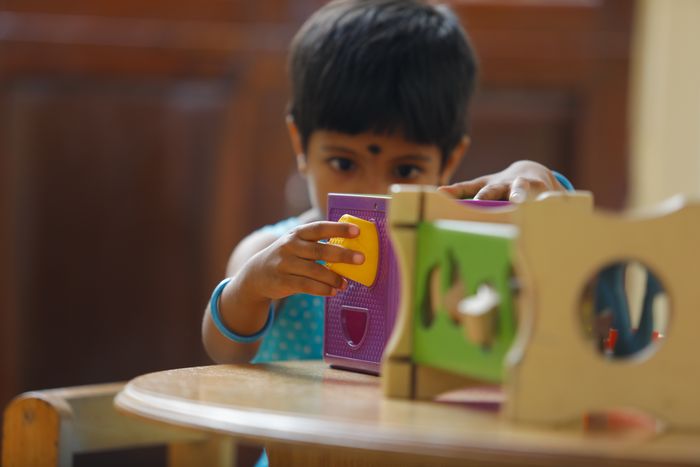
In early childhood settings, play is naturally repetitive. A child may build the same block structure multiple times or reenact a favourite role-play scenario repeatedly. This repetition is meaningful. Each attempt strengthens understanding, improves coordination, and builds creativity. Play-based repetition allows children to experiment safely and deepen their learning.
Why Repetition Is Not Boredom
Adults may sometimes worry that repetition leads to boredom. For young children, however, repetition offers comfort and mastery. Each repeated experience feels slightly different as children gain new insights or refine abilities. Instead of limiting repetition, educators thoughtfully vary activities while maintaining core learning goals.
The Role of Educators and Parents
Early childhood educators intentionally design activities that incorporate repetition in engaging ways. Songs, storytelling, hands-on tasks, and movement activities are repeated regularly to reinforce concepts. Parents can support this process at home by revisiting books, practising simple routines, and encouraging repeated exploration of skills.
Long-Term Impact of Repeated Learning
When children experience repetition in supportive environments, they develop strong foundational skills. These foundations support future academic learning, social development, and independence. Repetition builds resilience as children learn that improvement comes with practice.
Conclusion: Strengthening Foundations Through Practice
Repetition is a cornerstone of early childhood learning. It strengthens memory, supports language development, builds confidence, and refines motor skills. In nurturing early learning environments, repetition is used thoughtfully to help children grow steadily and securely. Through consistent and meaningful practice, young learners build the foundations for lifelong success.