
What Is Effective Co-Parenting? A Simple Guide for Modern Families

Family structures today are diverse, and many children grow up with parents who live separately. In such situations, the quality of co-parenting plays a crucial role in a child’s emotional and academic wellbeing. Effective co-parenting does not require parents to be close friends. It requires maturity, communication, and a shared commitment to prioritising the child’s needs above personal differences.
What Is Co-Parenting?
Co-parenting refers to the collaborative effort of two parents raising their child together despite separation, divorce, or living in different households. It involves shared decision-making, consistent routines, and respectful communication. The primary focus remains the child’s stability, security, and overall development.
Key Principles of Effective Co-Parenting
| Principle | What It Means | Benefit for the Child |
|---|---|---|
| Respectful Communication | Speaking calmly and clearly about parenting matters | Reduced emotional tension |
| Consistency | Maintaining similar rules and routines | Sense of stability and security |
| Shared Responsibility | Participating equally in major decisions | Balanced parental involvement |
| Child-Centred Focus | Prioritising the child’s wellbeing over personal conflict | Healthy emotional development |
Maintaining Consistency Across Households
Children feel secure when expectations remain predictable. While each household may have its own environment, core routines such as homework time, bedtime, and screen rules should remain relatively consistent. When children experience drastically different expectations, confusion and behavioural challenges may arise. Open discussions between parents about routines help maintain continuity.
Communication Without Conflict
Effective co-parenting depends heavily on communication. Discussions should focus strictly on the child’s needs, schedules, and progress. Avoiding blame or past grievances ensures that conversations remain productive. Many parents find it helpful to use written communication or scheduled discussions to maintain clarity and reduce emotional reactions.
Supporting the Child Emotionally
Children may experience mixed emotions during family transitions. They might feel sadness, confusion, or guilt. It is important for both parents to reassure the child that they are loved and supported. Avoiding negative comments about the other parent helps protect the child’s emotional stability. When children feel safe expressing feelings, they adjust more confidently.
Handling Disagreements Constructively
Disagreements between co-parents are natural. The key is how they are managed. Discussions about discipline, schooling, or extracurricular activities should remain solution-focused. Seeking guidance from counsellors or mediators can help resolve persistent conflicts. Demonstrating respectful disagreement teaches children valuable conflict-resolution skills.
The Role of Schools in Co-Parenting
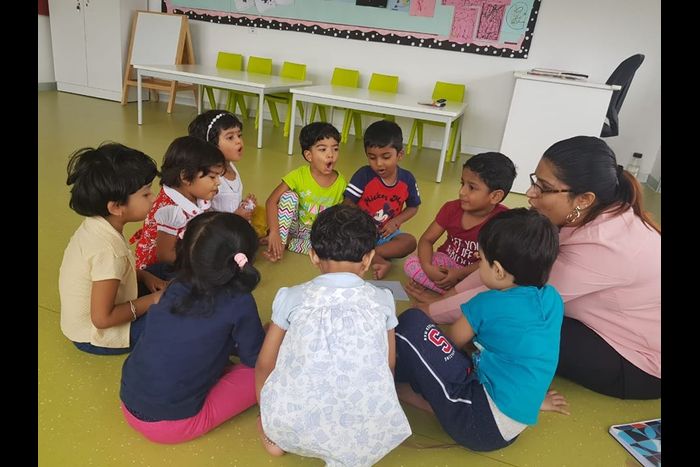
Schools often serve as important partners in effective co-parenting. Both parents should remain informed about academic progress, school events, and behavioural updates. Clear communication with teachers ensures that the child receives consistent support from both home environments. When schools are included in communication, children benefit from a unified support system.
Common Challenges in Modern Co-Parenting
| Challenge | Impact | Practical Approach |
|---|---|---|
| Scheduling Conflicts | Disrupted routines | Shared digital calendars |
| Different Parenting Styles | Inconsistent discipline | Agree on core rules |
| Communication Gaps | Misunderstandings | Regular structured updates |
Long-Term Benefits of Effective Co-Parenting
Children raised in cooperative co-parenting environments tend to show stronger emotional resilience and academic stability. They learn that relationships can remain respectful even during difficult transitions. When both parents stay actively involved, children feel valued and secure, which positively influences behaviour and self-esteem.
Conclusion: Putting the Child First
Effective co-parenting is not about perfection; it is about partnership. By maintaining respectful communication, consistency, and a child-centred focus, modern families can create supportive environments across households. When children see adults prioritising their wellbeing, they grow with confidence, stability, and emotional strength.