
Understanding Childhood Curiosity: How to Nurture a Toddler’s Natural Love for Learning
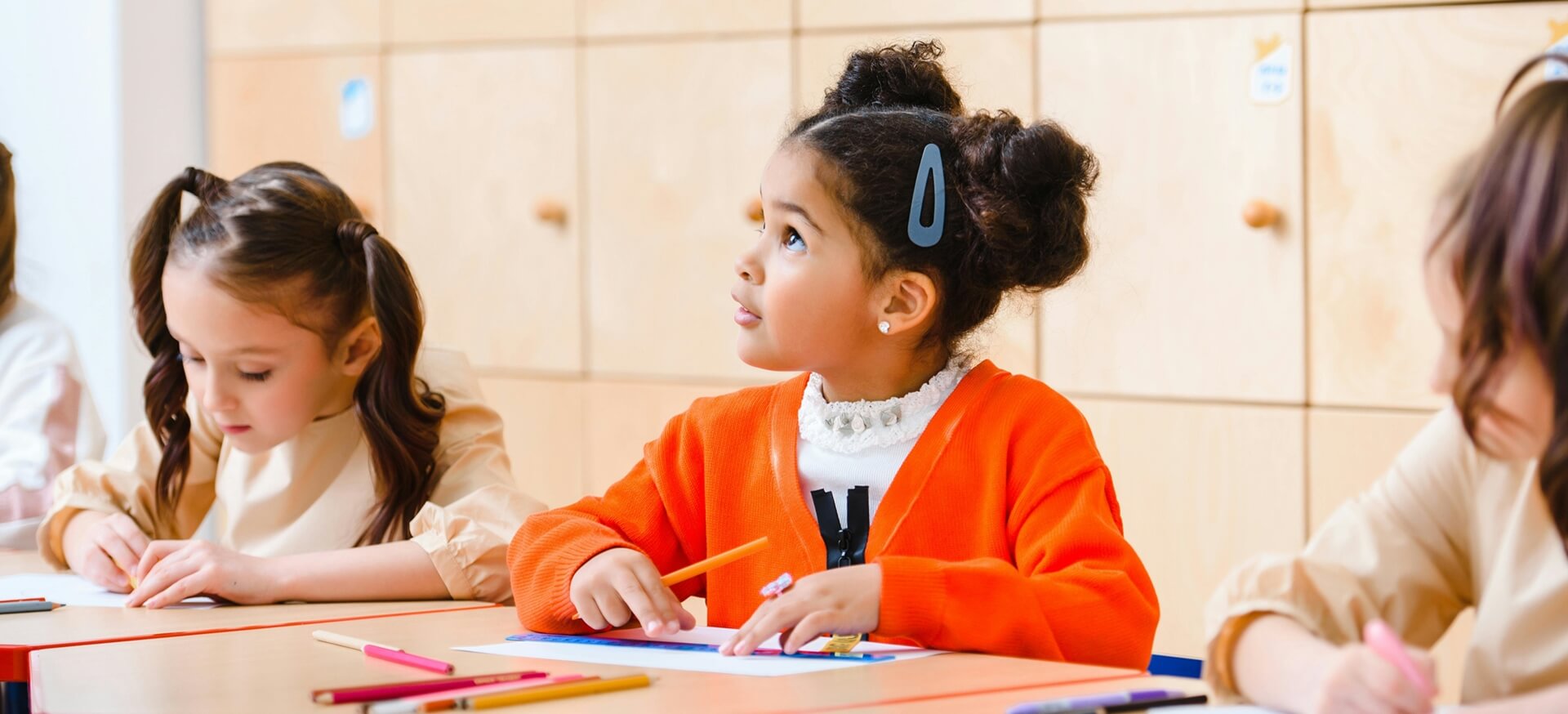
Curiosity is one of the strongest driving forces in a toddler’s early development. From touching new textures to asking repeated questions, toddlers explore the world with endless enthusiasm. This natural curiosity is not just a phase; it is a powerful foundation for lifelong learning. When toddlers are encouraged to explore safely and freely, they build essential skills that shape their thinking, creativity, and confidence. Understanding how curiosity works helps parents nurture it in meaningful ways.
Why Toddlers Are Naturally Curious
Toddlers are in a stage where their brains rapidly absorb information from their surroundings. Everything is new, and every experience brings a fresh opportunity to learn. This is why they constantly want to see, touch, taste, and try things. Curiosity helps them make sense of their environment and understand how things work.
Their developing memory and problem-solving abilities push them to repeat actions, test ideas, and observe outcomes. Whether a toddler keeps dropping a spoon to see what happens or flips through the same picture book repeatedly, they are learning through exploration and repetition. This natural sense of wonder builds the base for strong analytical skills later in life.
Curiosity and Cognitive Development
Curiosity plays a major role in a toddler’s brain development. When children explore new objects or situations, their brains form fresh neural connections. These connections strengthen thinking abilities and help toddlers identify patterns, understand cause and effect, and come up with creative solutions.
As toddlers explore more, they begin asking questions and seeking explanations. This habit of inquiry supports language development and improves communication skills. Their vocabulary grows as they discover new concepts and try to express what they see, feel, or imagine. Over time, curiosity becomes a strong motivator that keeps them engaged in learning without any pressure.
How Curiosity Supports Emotional Growth
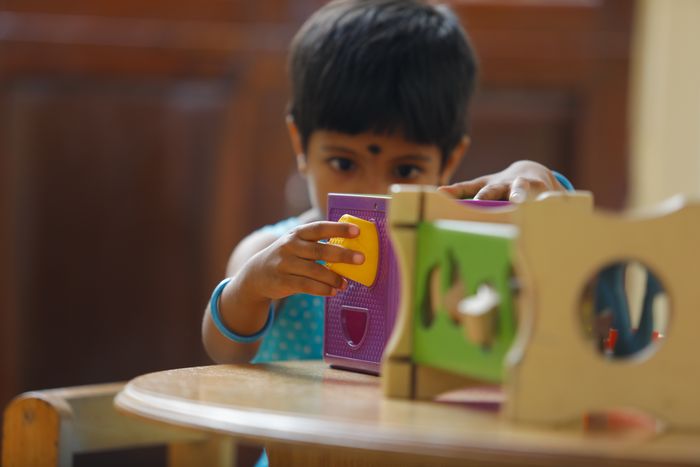
Curiosity also contributes to emotional development. When toddlers explore freely, they build confidence in their ability to figure things out. Each small success—such as fitting a block into the right slot or recognising a familiar animal—strengthens their sense of achievement.
Curiosity encourages resilience as well. Toddlers learn that it is alright to make mistakes while exploring. When things don’t go as expected, they experiment again. These repeated trials teach them patience and persistence, shaping an emotionally strong foundation for future learning.
Nurturing Curiosity Through Everyday Experiences
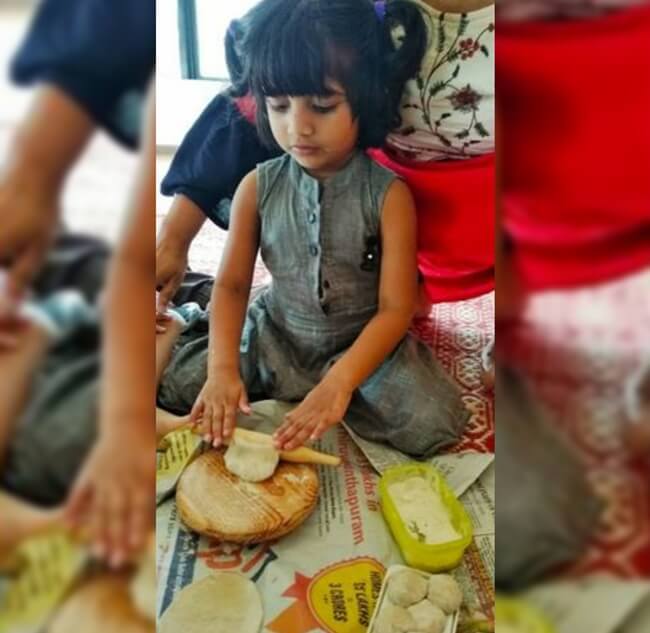
Parents play an essential role in supporting a toddler’s curiosity. Encouraging exploration does not require elaborate activities. Everyday experiences offer valuable learning opportunities. A walk in the park can turn into a science lesson as toddlers observe leaves, stones, or insects. Kitchen time can become a sensory activity as children touch different textures or smell fresh ingredients.
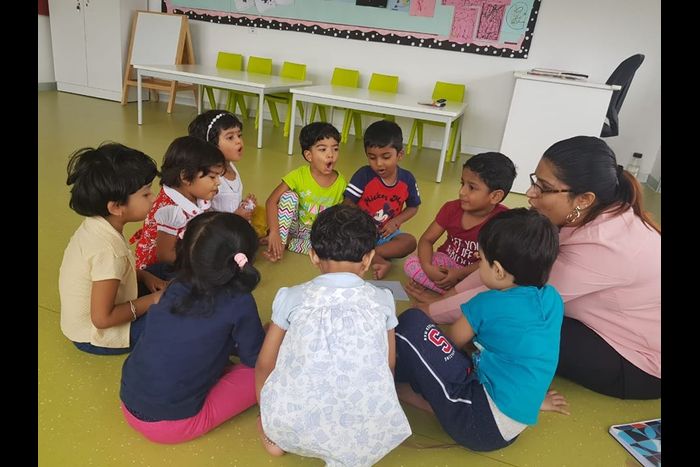
Allowing toddlers to ask questions and answering them patiently also fuels their desire to learn. When questions are welcomed rather than dismissed, toddlers feel comfortable expressing their thoughts and curiosity. Simple conversations about colours, shapes, sounds, or feelings stimulate their imagination and help them understand their world better.
Creating an Environment That Encourages Exploration
A safe and accessible environment is key to nurturing curiosity. When toddlers have the freedom to explore objects within reach, they become more confident and independent. Setting up a small play area with open-ended toys such as blocks, stacking rings, picture books, or pretend-play items allows children to create their own learning experiences.
Rotating toys occasionally keeps their interest fresh without overwhelming them. Toddlers often rediscover toys with new ideas as their cognitive abilities grow. Offering choices also supports curiosity. When toddlers select what they want to play with, they naturally become more engaged and attentive.
The Role of Open-Ended Play
Open-ended play is one of the strongest ways to nurture curiosity. Toys or materials that do not have a fixed purpose—like blocks, scarves, clay, or crayons—encourage toddlers to imagine and experiment. With open-ended materials, there is no right or wrong way to play. This freedom fosters creativity and inspires children to explore different possibilities.
Through pretend play, toddlers build stories, assign roles, and express emotions. Activities like building towers, mixing colours, or sorting natural objects allow them to test ideas and learn through discovery.
Encouraging Curiosity Without Overstimulation
While nurturing curiosity is important, it is equally essential to avoid overstimulation. Too many toys, loud environments, or constant activities can overwhelm toddlers. They need calm moments to process their experiences. Creating a balance between stimulation and rest helps toddlers absorb what they have learned and encourages deeper curiosity in the long run.
Conclusion
Curiosity is at the heart of a toddler’s natural learning journey. When parents understand its importance and encourage exploration, toddlers grow into confident and enthusiastic learners. Simple experiences, a safe environment, open-ended play, and patient conversations all help nurture this natural love for learning. By supporting curiosity gently and consistently, parents give their toddlers the tools they need to understand the world with joy, confidence, and endless fascination.