
The Shift from Traditional Teaching to Child-Centred Learning
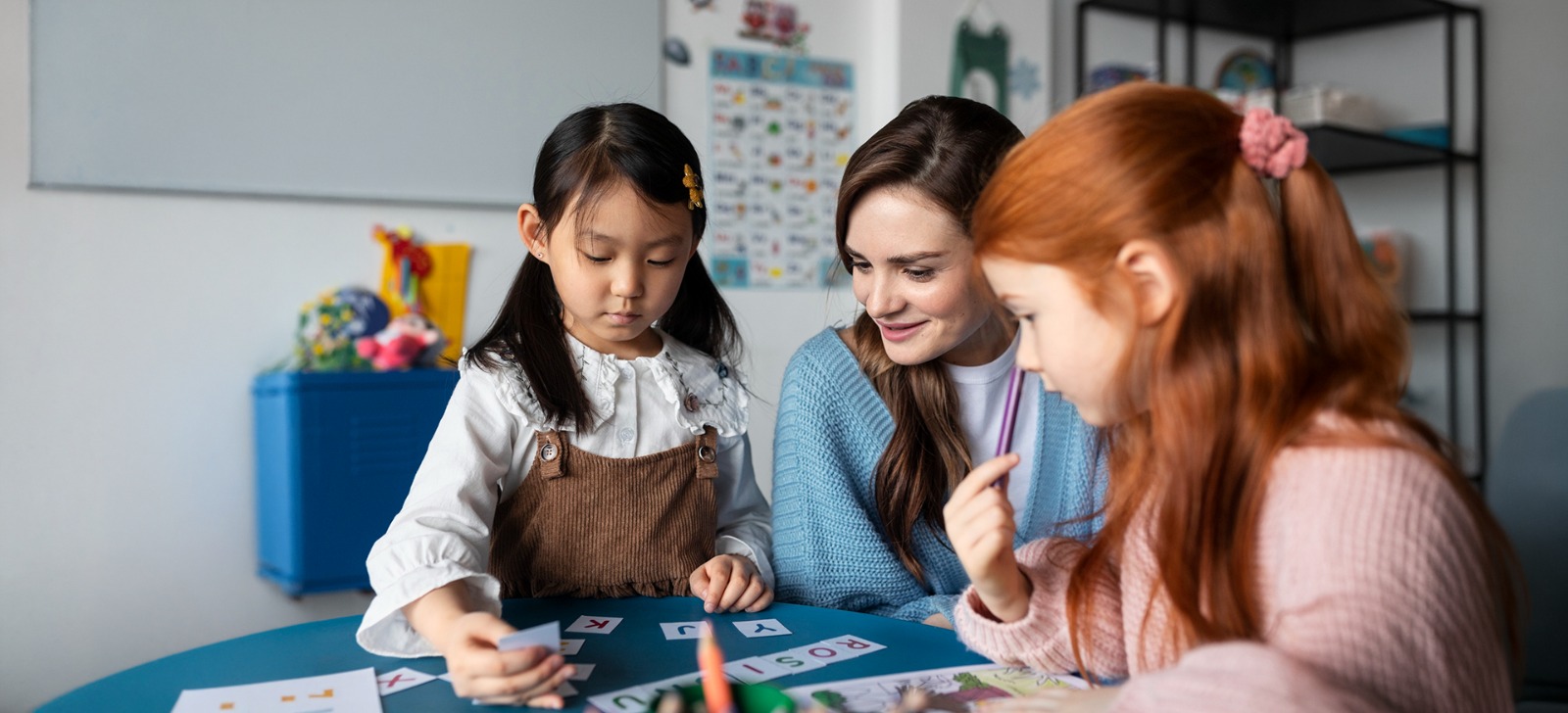
Education has changed significantly over the years, especially in early childhood learning. Traditional teaching methods once focused mainly on memorisation, strict instruction, and teacher-led activities. Today, many educators are moving toward child-centred learning, an approach that places the child’s interests, curiosity, and individual development at the centre of the learning experience.
This shift is helping children become more confident, creative, and actively involved in their own learning journey.
Understanding Traditional Teaching
Traditional teaching usually follows a structured classroom model where teachers lead lessons while children listen and follow instructions. Learning is often focused on repetition, memorisation, and completing tasks in a fixed manner.
While structure remains important, this approach may sometimes limit creativity, independent thinking, and active participation in young children.
In early childhood education, children learn best when they are encouraged to explore, ask questions, and engage with their environment directly.
What Is Child-Centred Learning?
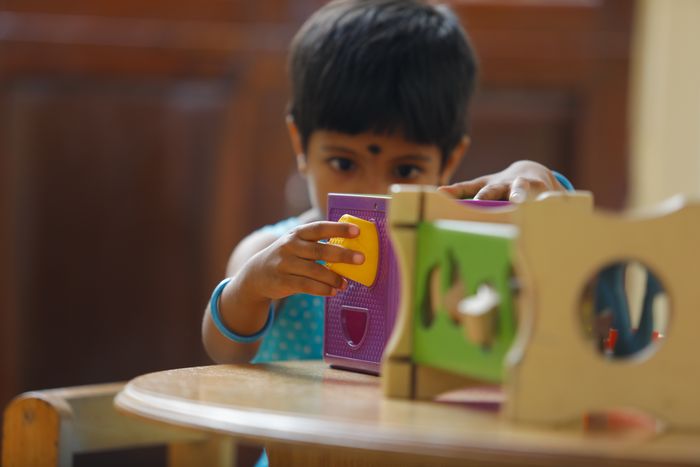
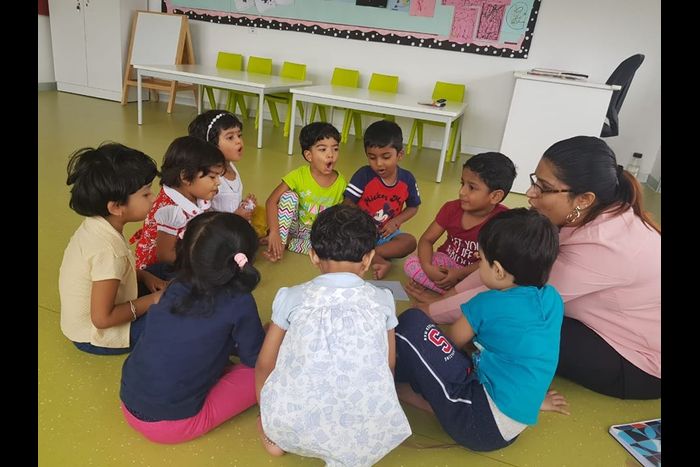
Child-centred learning focuses on the individual needs, interests, and pace of each child. Instead of only receiving information, children actively participate in activities, discussions, creative play, and problem-solving experiences.
Teachers act as guides who support exploration and encourage curiosity rather than simply delivering instructions.
Many preschools in Trivandrum are now adopting child-centred learning methods to create more engaging and meaningful educational experiences for young learners.
|
Learning Aspect |
Traditional Teaching |
Child-Centred Learning |
|
Teaching Style |
Teacher-led instruction |
Interactive and child-led participation |
|
Learning Method |
Memorisation and repetition |
Exploration and understanding |
|
Classroom Role |
Passive listening |
Active involvement and discussion |
|
Creativity & Thinking |
Limited creative freedom |
Encourages curiosity and independent thinking |
Encouraging Curiosity and Creativity
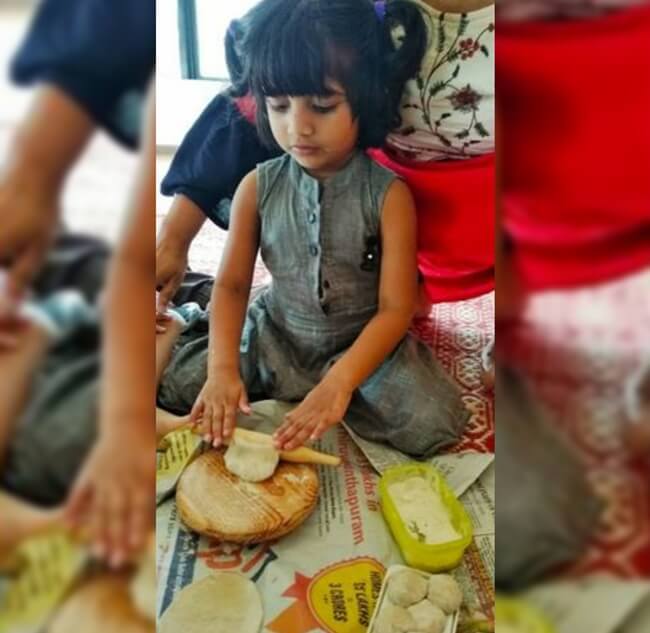
Child-centred learning encourages children to think independently and explore ideas freely. Activities such as storytelling, sensory play, art, music, and group discussions allow children to learn through experience rather than memorisation alone.
This approach helps children:
-
Build confidence
-
Improve communication skills
-
Develop problem-solving abilities
-
Strengthen creativity and imagination
When children feel involved in the learning process, they often become more motivated and engaged.
The Role of Teachers in Modern Learning
In child-centred classrooms, teachers create supportive environments where children feel comfortable expressing ideas and asking questions. Instead of focusing only on academic performance, educators also support emotional, social, and behavioural development.
Positive teacher interaction helps children:
-
Feel emotionally secure
-
Participate more actively
-
Develop social confidence
-
Learn cooperation and teamwork
Conclusion
The shift from traditional teaching to child-centred learning reflects a growing understanding of how young children learn best. By encouraging exploration, creativity, communication, and active participation, child-centred learning creates a more engaging and meaningful educational experience.
Supportive preschool programs in Trivandrum that focus on child-centred learning can help children develop confidence, curiosity, and a lifelong love for learning.