
The Role of Imitation in Early Childhood Learning

In early childhood, learning does not begin with formal instruction. It begins with observation. Children closely watch the people around them and naturally copy actions, words, expressions, and behaviours. This process, known as imitation, plays a vital role in how young children understand the world. Long before they can read or write, children learn by observing and repeating what they see in everyday life.
Imitation as a Natural Learning Tool
Imitation is one of the earliest and most instinctive learning mechanisms in children. From copying a parent’s facial expression to repeating sounds and gestures, children use imitation to make sense of their surroundings. This process helps them practise new skills in a safe and familiar way. Through repeated imitation, children gradually refine their actions and gain confidence in their abilities.
Language Development Through Imitation
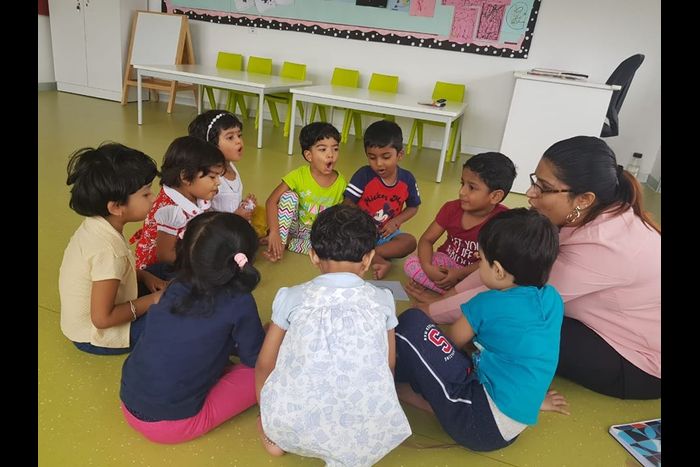
One of the most visible impacts of imitation is seen in language development. Children learn to speak by listening to adults and repeating words and phrases. Tone, pronunciation, and sentence structure are absorbed through constant exposure and imitation. When adults engage in regular conversation with children, they provide rich language models that support vocabulary growth and communication skills.
Social and Emotional Learning
Imitation also plays a crucial role in social and emotional development. Children observe how adults and peers express emotions, resolve conflicts, and interact socially. By copying these behaviours, children learn social norms, empathy, and appropriate emotional responses. For example, a child who sees calm communication during disagreements is more likely to imitate that behaviour in their own interactions.
Cognitive Skills and Problem Solving
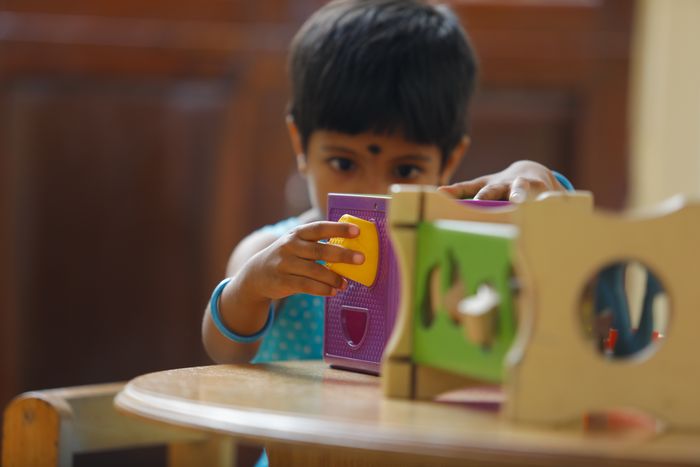
Beyond behaviour and language, imitation supports cognitive development. When children observe how tasks are completed, such as sorting objects or solving simple problems, they begin to understand sequences and patterns. Imitation allows children to experiment mentally and physically, strengthening memory and reasoning skills. Over time, they move from copying actions to adapting them creatively.
Stages of Imitation in Early Childhood
| Age Range | Type of Imitation | Learning Outcome |
|---|---|---|
| Infancy | Facial expressions and sounds | Early communication and bonding |
| Toddler Years | Actions and simple words | Motor skills and language growth |
| Preschool Age | Role play and social behaviour | Social understanding and creativity |
The Role of Adults as Learning Models
Since children learn through imitation, the behaviour of adults becomes extremely influential. Parents, caregivers, and teachers act as constant role models. Positive habits such as reading, respectful communication, and problem-solving are easily absorbed by young learners. At the same time, children also pick up negative behaviours, which highlights the importance of mindful interaction in early childhood environments.
Imitation and Play-Based Learning
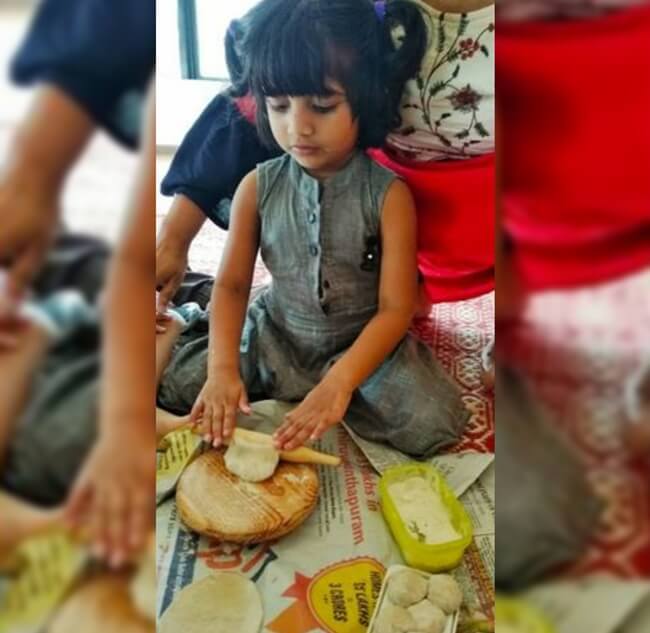
Play offers rich opportunities for imitation. Pretend play, in particular, allows children to recreate real-life situations such as cooking, teaching, or shopping. Through these activities, children practise language, social roles, and decision-making. Play-based imitation supports holistic development and helps children internalise concepts in an enjoyable and meaningful way.
When Imitation Leads to Independent Thinking
While imitation begins as copying, it gradually leads to independent thinking. As children grow, they start modifying what they imitate, adding personal ideas and creativity. This transition marks an important developmental milestone. Children move from simply repeating actions to understanding why those actions matter, which supports deeper learning and problem-solving skills.
Conclusion: A Foundation for Lifelong Learning
Imitation is far more than simple copying. It is a powerful learning tool that shapes language, behaviour, social skills, and thinking patterns in early childhood. When supported through positive role modelling and engaging environments, imitation lays the foundation for confident, capable learners. By recognising its importance, parents and educators can create experiences that support healthy development and lifelong learning.