Measuring and Comparing Everyday Objects
Measurement is a part of everyday life. Children compare how tall a chair is, how long a pencil is, how much water fits in a cup, or which toy feels heavier. These ordinary experiences can become simple learning opportunities for preschoolers.
For children attending preschools in Trivandrum, everyday measurement activities can introduce mathematical thinking in a fun and practical way. Well-planned preschool programs in Trivandrum can include hands-on experiences that help children understand concepts such as length, height, weight and capacity.
Why Measurement Matters in Preschool
Preschoolers do not need to begin with rulers, scales or complicated measurements. At this age, the focus can be on comparing objects and understanding simple relationships.
Measurement activities can help children:
-
Compare objects by size and length
-
Understand bigger and smaller
-
Explore heavier and lighter
-
Recognise more and less
-
Develop observation skills
-
Use mathematical vocabulary
-
Make simple predictions
These experiences create a foundation for later mathematical learning.
Everyday Measurement Activities
Many measurement activities can be created using objects that children already see at home or school.
|
Activity |
Concept |
Everyday Materials |
|
Compare lengths |
Longer and shorter |
Pencils, crayons |
|
Measure with objects |
Non-standard measurement |
Blocks or paper clips |
|
Compare weight |
Heavy and light |
Toys or containers |
|
Explore capacity |
More and less |
Cups and water |
1. Measure With Blocks
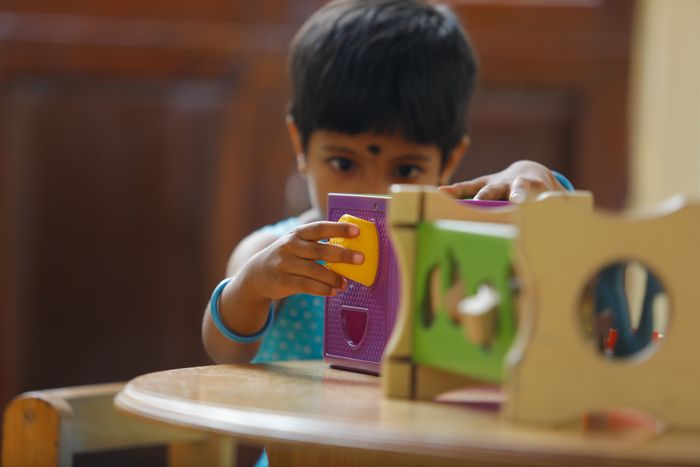
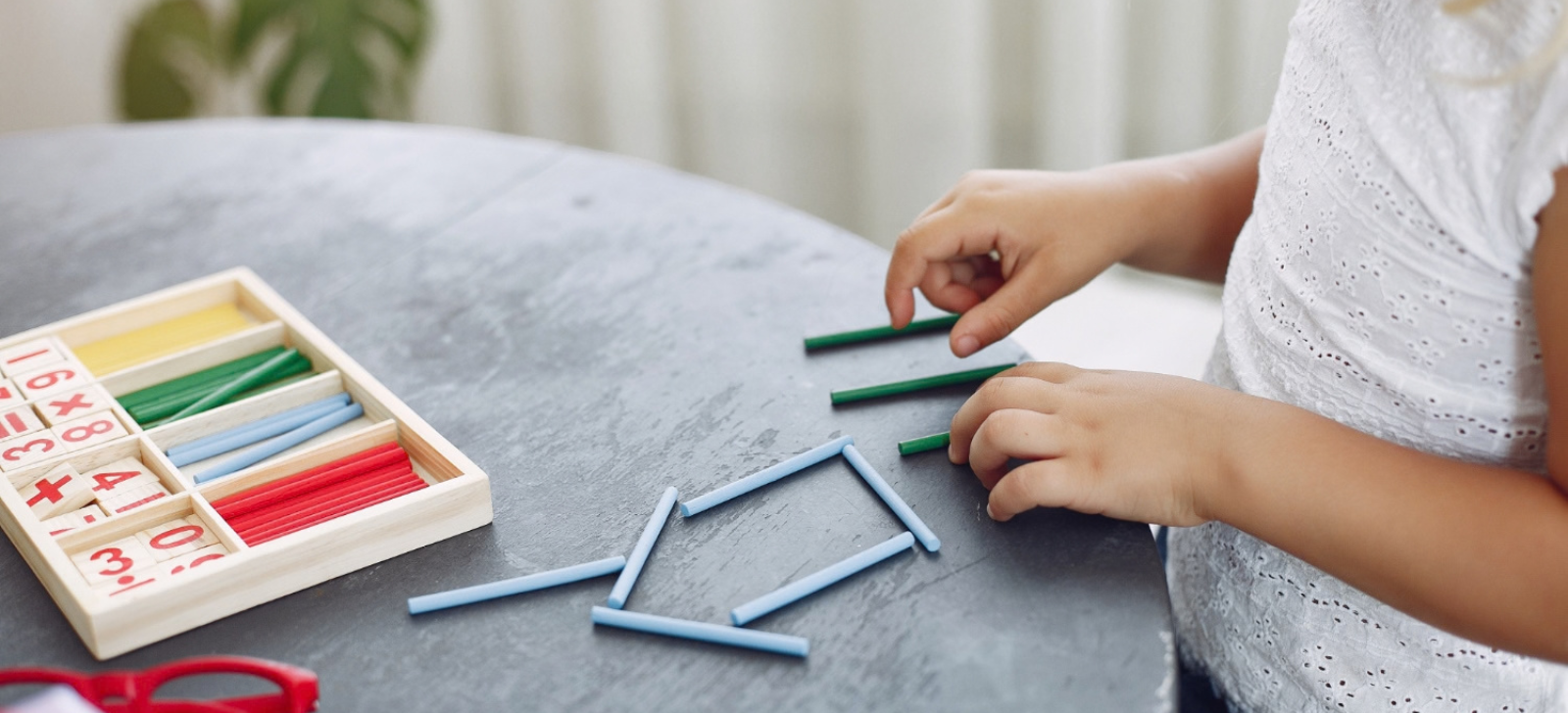
Give children a toy, book or pencil and a collection of identical blocks. Ask them to place the blocks along the object to find out how many blocks long it is.
Children can then compare two objects and decide which one needs more blocks.
This simple activity introduces the idea of measuring without requiring a traditional ruler.
2. Which One Is Longer?
Collect everyday objects such as pencils, crayons, spoons and books. Place two objects next to each other and ask children which one is longer or shorter.
Allow children to check their predictions by lining up the objects from the same starting point.
This type of hands-on learning can be especially useful in play schools in Trivandrum, where children can explore mathematical concepts through practical activities.
3. Heavy or Light?
Place different safe objects in children's hands and ask them to compare their weight. They can predict which object feels heavier before checking with a simple balance scale if one is available.
For example, children could compare a toy car with a soft ball or an empty container with one containing a few objects.
The focus should be on using words such as heavy, light, heavier and lighter.
4. How Much Can It Hold?
Water play is another easy way to introduce capacity. Provide different-sized cups and containers and let children fill and empty them.
Ask questions such as:
-
Which container holds more?
-
Which one holds less?
-
How many small cups can fill the larger container?
These activities encourage children to observe, compare and communicate their findings.
Measurement Vocabulary Children Can Learn
As children participate in these activities, adults can introduce simple mathematical words naturally:
-
Long and short
-
Tall and short
-
Heavy and light
-
Full and empty
-
More and less
-
Big and small
-
Near and far
Using these words during everyday activities helps children connect language with real experiences.
Making Measurement Part of Everyday Learning
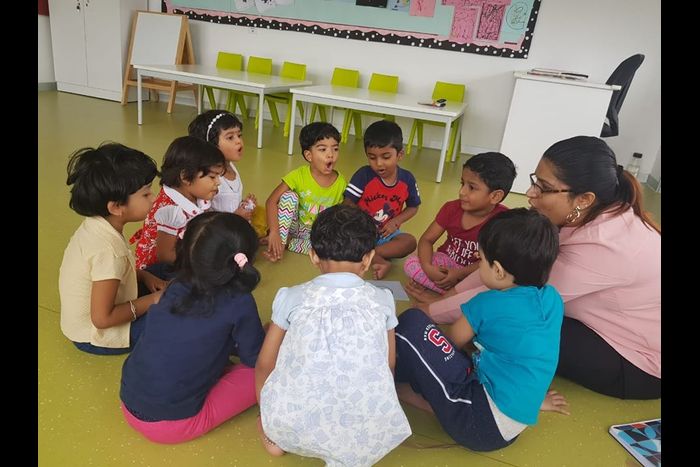
A best play school in Trivandrum can create opportunities for children to explore measurement during classroom activities, outdoor play and daily routines. Children might compare the height of objects, measure a table using blocks or decide which container can hold more sand.
For families looking at preschools near Technopark, it can be useful to consider learning environments where children are encouraged to explore concepts through hands-on experiences rather than only worksheets.
At TRINS Early Learning Centre, meaningful activities can help children connect classroom concepts with the world around them. Such experiences can also support children preparing for kindergarten in Trivandrum, where early mathematical ideas become increasingly important.
Conclusion
Measurement does not have to begin with numbers and rulers. For preschoolers, it can start with simple questions: Which is longer? Which is heavier? Which container holds more?
By using everyday objects, educators and parents can make these concepts practical, engaging and easy to understand. When children are given opportunities to compare, predict and explore, everyday activities can become valuable learning experiences.