
Screen Time for Toddlers: How Much Is Too Much and What Actually Works?
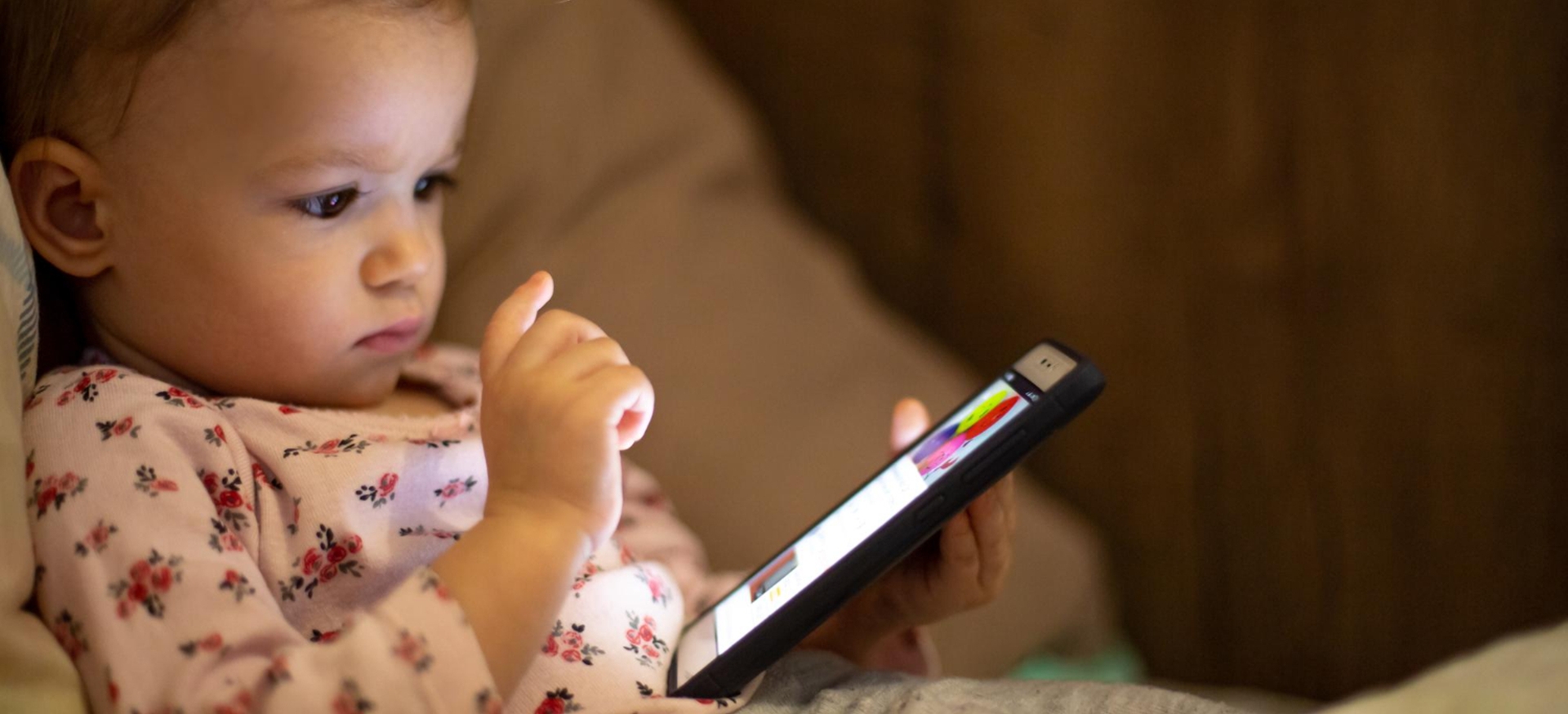
Screens are now a part of everyday life, from smartphones and televisions to tablets and smart devices. For parents of toddlers, managing screen time can feel confusing and overwhelming. While digital content can be educational and entertaining, excessive exposure during early childhood may affect attention, sleep, and social development. The key question is not only how much screen time is too much, but also what kind of screen use actually supports healthy growth.
How Much Screen Time Is Recommended?
Health and child development experts generally recommend minimal to no screen time for children under two years of age, except for video calls with family members. For toddlers between two and five years, screen time should ideally be limited to around one hour per day of high-quality, supervised content. However, the quality of content and parental involvement matter more than simply counting minutes.
Why Excessive Screen Time Can Be Concerning
During the toddler years, the brain develops rapidly through direct interaction with people and the environment. Too much passive screen viewing may reduce opportunities for physical play, conversation, and sensory exploration. Overexposure to fast-paced or overstimulating content can also affect attention span and emotional regulation. Sleep patterns may be disturbed when screens are used close to bedtime.
Understanding the Difference Between Passive and Active Screen Use
| Type of Screen Use | Description | Impact on Development |
|---|---|---|
| Passive Viewing | Watching videos without interaction | Limited learning and reduced engagement |
| Interactive Use | Educational apps with parental guidance | Better language and cognitive support |
| Video Communication | Live interaction with family members | Supports social connection |
What Actually Works for Healthy Screen Habits
Rather than banning screens entirely, creating structured and mindful habits is often more effective. Co-viewing, where parents watch and discuss content with the child, turns screen time into an interactive experience. Asking simple questions about what is happening on screen encourages language development and critical thinking.
Setting consistent routines also helps. Screens should not replace meals, sleep, or outdoor play. Keeping devices out of bedrooms and avoiding screens at least one hour before bedtime supports healthy sleep patterns. When children know that screen time is limited and predictable, they adapt more easily.
Encouraging Real-World Alternatives
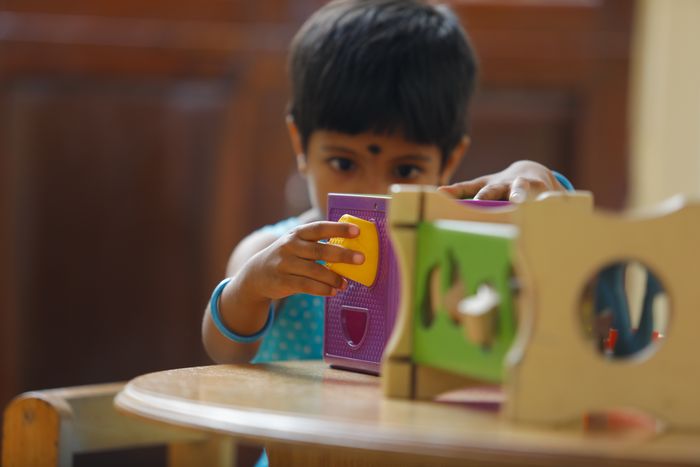
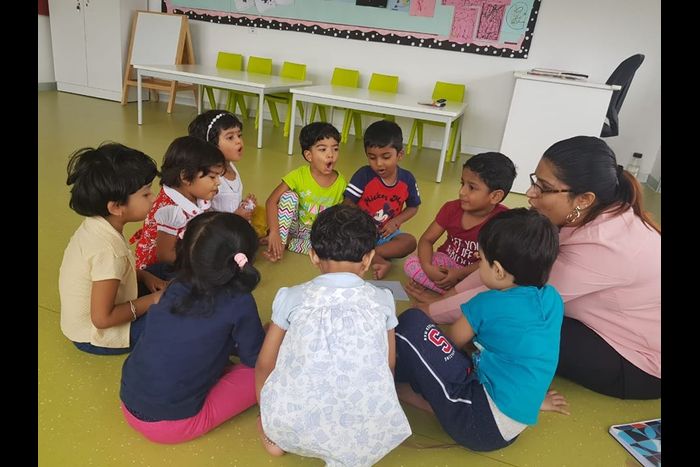
Toddlers learn best through hands-on experiences. Activities such as storytelling, building blocks, drawing, music, and outdoor play stimulate multiple senses and strengthen neural connections. Replacing some screen time with shared family activities enhances bonding and supports emotional development. Even simple daily routines like cooking together or sorting household items can become valuable learning moments.
The Role of Parents as Digital Role Models
Children closely observe adult behaviour. If parents frequently use devices during family time, toddlers are likely to imitate that habit. Demonstrating balanced screen use sets a positive example. Creating device-free times during meals and conversations reinforces the importance of direct interaction.
When Screen Time May Be Beneficial
Not all screen time is harmful. High-quality educational content, used in moderation and with supervision, can introduce vocabulary, music, and storytelling. Video calls with relatives help toddlers maintain emotional connections, especially when distance separates families. The goal is mindful use rather than unrestricted access.
Conclusion: Balance Over Elimination
Screen time for toddlers does not need to be a source of guilt or conflict. What matters most is balance, quality, and parental involvement. By setting clear boundaries, encouraging active engagement, and prioritising real-world experiences, families can ensure that digital exposure supports rather than hinders early development. Thoughtful management of screen time helps toddlers grow into focused, socially confident, and emotionally secure learners.