
Raising Confident Kids: Simple Daily Habits That Build Self-Esteem

Confidence in children does not appear overnight. It develops gradually through everyday experiences, interactions, and encouragement. Self-esteem grows when children feel valued, capable, and supported. While achievements and praise play a role, long-term confidence is shaped more by consistent daily habits than occasional grand gestures. Parents and educators can nurture self-esteem through simple, intentional practices that become part of everyday life.
The Difference Between Praise and True Confidence
Many adults believe that frequent praise automatically builds confidence. However, constant praise without effort or authenticity may create dependence on external validation. True self-esteem develops when children recognise their own progress and abilities. Instead of saying “You are the best,” it is often more helpful to say, “You worked hard on this.” This subtle shift encourages children to value effort, persistence, and growth.
Encouraging Independence in Small Ways
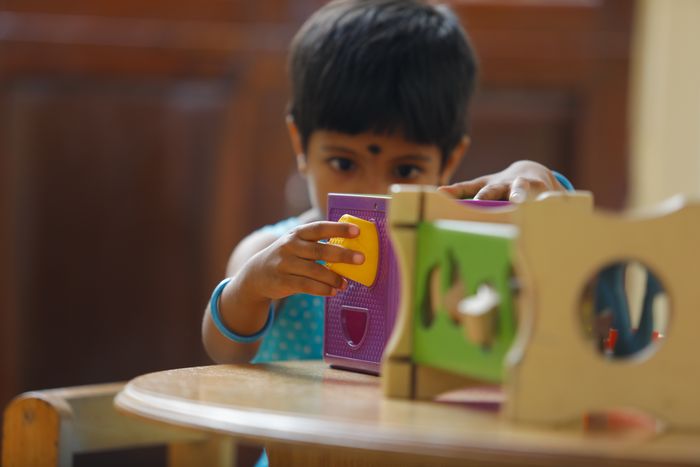
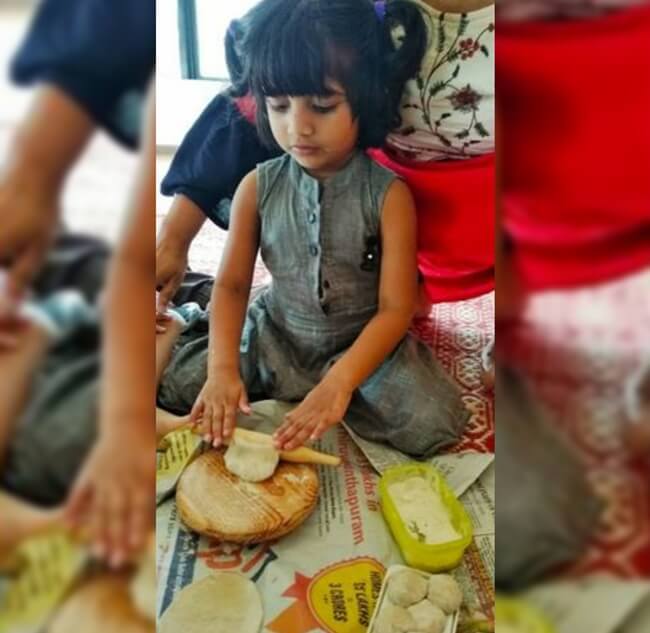
Confidence strengthens when children are given age-appropriate responsibilities. Simple tasks such as organising school materials, choosing clothes, or helping set the table allow children to feel capable. When adults step back and allow children to try, even if mistakes occur, they communicate trust. This trust builds a strong internal belief in one’s abilities.
Creating a Safe Space for Mistakes
Children develop resilience when mistakes are treated as learning opportunities rather than failures. When parents respond calmly to errors, children feel safe to try again. This approach reduces fear of failure and encourages risk-taking in learning and social situations. Over time, children begin to see challenges as manageable rather than overwhelming.
Daily Habits That Strengthen Self-Esteem
| Habit | How It Helps | Long-Term Impact |
|---|---|---|
| Active Listening | Validates feelings and opinions | Stronger emotional security |
| Encouraging Effort | Builds growth mindset | Increased resilience |
| Giving Responsibilities | Promotes independence | Greater self-belief |
| Consistent Routines | Creates stability | Sense of competence |
The Power of Positive Communication
The language adults use daily has a lasting influence on children. Respectful communication teaches children to value themselves and others. Simple affirmations such as “I trust your decision” or “You handled that situation well” reinforce confidence. Avoiding harsh comparisons with peers is equally important, as comparison can weaken self-worth.
Encouraging Social Confidence
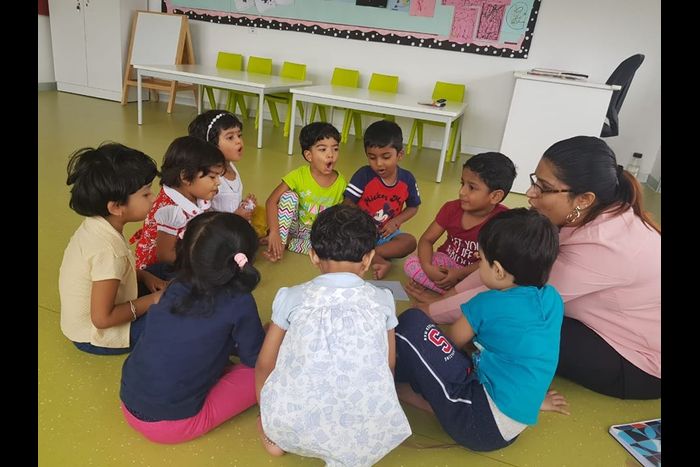
Confidence is not limited to academics; it also includes social interactions. Encouraging children to greet others, participate in group activities, and express opinions helps build social self-esteem. When children learn to communicate effectively and respectfully, they feel more secure in peer settings. Over time, these experiences strengthen their ability to navigate friendships and group environments.
Balancing Guidance and Freedom
Overprotection can unintentionally limit a child’s growth. While safety and support are essential, children need opportunities to solve problems independently. Gradually increasing responsibility allows children to experience success through their own efforts. This balance between guidance and freedom builds both confidence and accountability.
Modelling Confidence as Adults
Children often mirror the attitudes they observe. When adults demonstrate calm problem-solving, positive self-talk, and resilience during setbacks, children learn by example. Modelling healthy confidence teaches children that self-belief does not mean perfection; it means trusting oneself despite challenges.
Long-Term Benefits of Strong Self-Esteem
Children with healthy self-esteem are more likely to take initiative, handle criticism constructively, and pursue goals with determination. They are better equipped to manage academic pressure and social dynamics. Confidence also supports emotional wellbeing, helping children maintain a positive outlook during difficult situations.
Conclusion: Small Habits, Lasting Impact
Raising confident children does not require extraordinary measures. It begins with consistent daily habits that communicate trust, respect, and encouragement. By fostering independence, allowing room for mistakes, and modelling positive behaviour, parents and educators lay the foundation for strong self-esteem. Over time, these simple practices shape children who believe in their abilities and approach life with confidence and resilience.