
Building Number Skills Through Everyday Counting
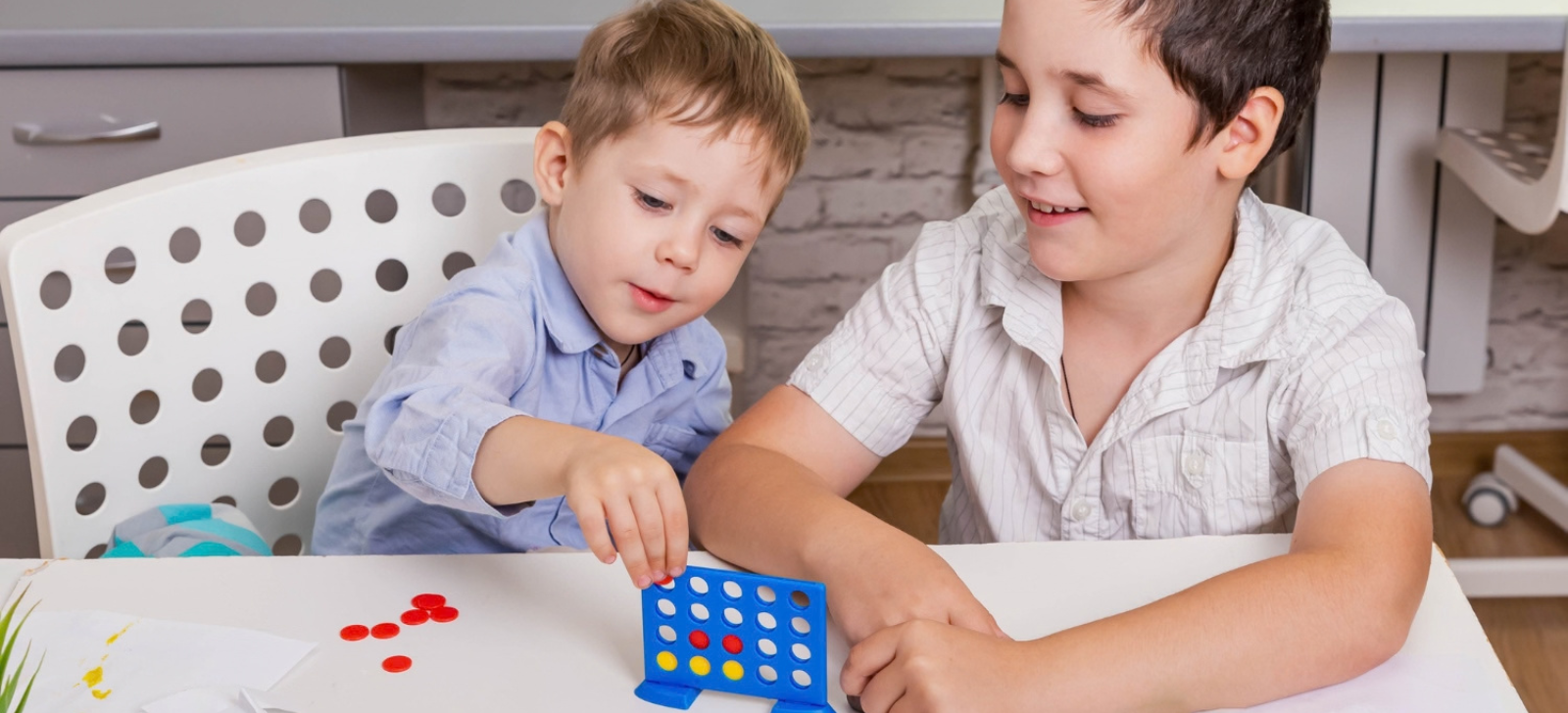
Numeracy is more than simply learning numbers. For preschoolers, it includes understanding quantities, recognising patterns, comparing objects, and making sense of simple mathematical ideas. These skills begin developing through everyday experiences long before children start formal mathematics lessons.
For parents exploring preschools in Trivandrum, an environment that introduces early numeracy through practical and enjoyable activities can help children build confidence with numbers. Simple activities at home can also make mathematical concepts easier for young children to understand.
By turning ordinary moments into learning opportunities, parents and teachers can help preschoolers discover that maths is all around them.
Why Early Numeracy Matters
Early numeracy skills form the foundation for later mathematical learning. Preschoolers can begin by counting objects, recognising numbers, comparing sizes, identifying shapes, and noticing patterns.
|
Everyday Activity |
Numeracy Skill |
Simple Example |
|
Counting objects |
Number recognition |
Count toys or fruits |
|
Sorting items |
Classification |
Group objects by colour |
|
Setting the table |
One-to-one counting |
Give one plate to each person |
|
Baking together |
Measurement |
Measure simple ingredients |
|
Looking for patterns |
Pattern recognition |
Find repeating colours or shapes |
Count During Everyday Activities
Counting does not need to be limited to worksheets. Children can count toys while putting them away, steps while walking, or fruits while shopping.
Parents can start with small numbers and gradually increase the challenge. Asking questions such as “How many apples are there?” or “Can you give me three blocks?” helps children connect number words with actual quantities.
Sort and Group Objects
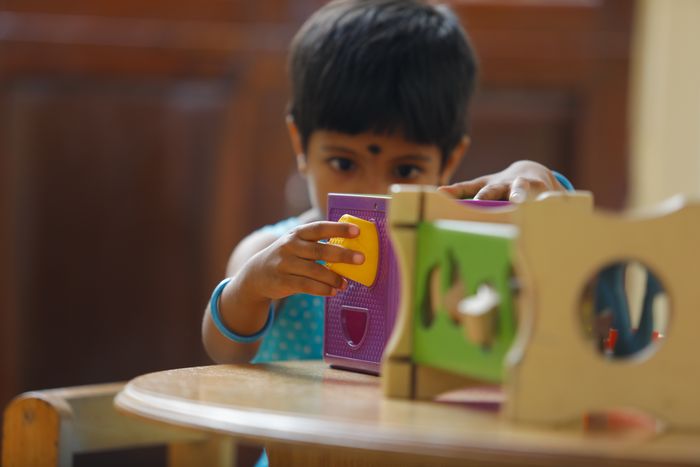
Sorting is another simple way to introduce mathematical thinking. Give children everyday objects such as blocks, buttons, toys, or coloured pencils and ask them to group similar items together.
Children can sort objects by colour, size, shape, or type. This helps them notice similarities and differences while developing early classification skills.
Explore Shapes Around the Home
Children encounter shapes everywhere. Windows, plates, clocks, doors, and toys can all become examples of circles, squares, rectangles, and other simple shapes.
Parents can ask children to find objects that look like particular shapes. This makes shape recognition part of everyday observation rather than a separate lesson.
Introduce Measurement Through Play
Simple measurement activities can help preschoolers understand concepts such as bigger, smaller, taller, shorter, heavier, and lighter.
Children can compare two toys, arrange objects from shortest to tallest, or use cups to explore how much water different containers can hold. These activities introduce measurement in a playful way.
Discover Patterns Together
Patterns are an important part of early mathematical thinking. Parents can create simple patterns using coloured blocks, beads, or household objects and ask children what comes next.
For example, a sequence of red, blue, red, blue can encourage children to recognise repetition and predict the next item.
What Children Learn Through Early Numeracy Activities
Everyday mathematical experiences can help preschoolers develop:
-
Number recognition
-
Counting skills
-
Shape and pattern awareness
-
Comparison skills
-
Problem-solving abilities
-
Logical thinking
-
Confidence with numbers
These skills can be supported through engaging preschool programs in Trivandrum that give children opportunities to learn through practical experiences.
Making Numeracy Part of Preschool Learning
Parents looking for preschools near Technopark can consider learning environments where mathematical concepts are introduced through age-appropriate activities. Families comparing play schools in Trivandrum can also look for opportunities for children to learn through exploration rather than memorisation alone.
A best play school in Trivandrum can introduce early numeracy through games, classroom activities, stories, objects, and everyday experiences. Parents choosing a kindergarten in Trivandrum can similarly look for an environment that builds a strong foundation for future learning.
Conclusion
Early numeracy develops naturally when children are encouraged to count, compare, sort, measure, and recognise patterns in their everyday surroundings. These activities do not have to feel like formal lessons. Simple moments such as counting toys, sorting clothes, or finding shapes can become valuable learning opportunities.
With consistent encouragement at home and in preschool, children can develop a positive relationship with numbers and build the foundational skills they need for future mathematical learning.