
Observing Plants Through Everyday Activities
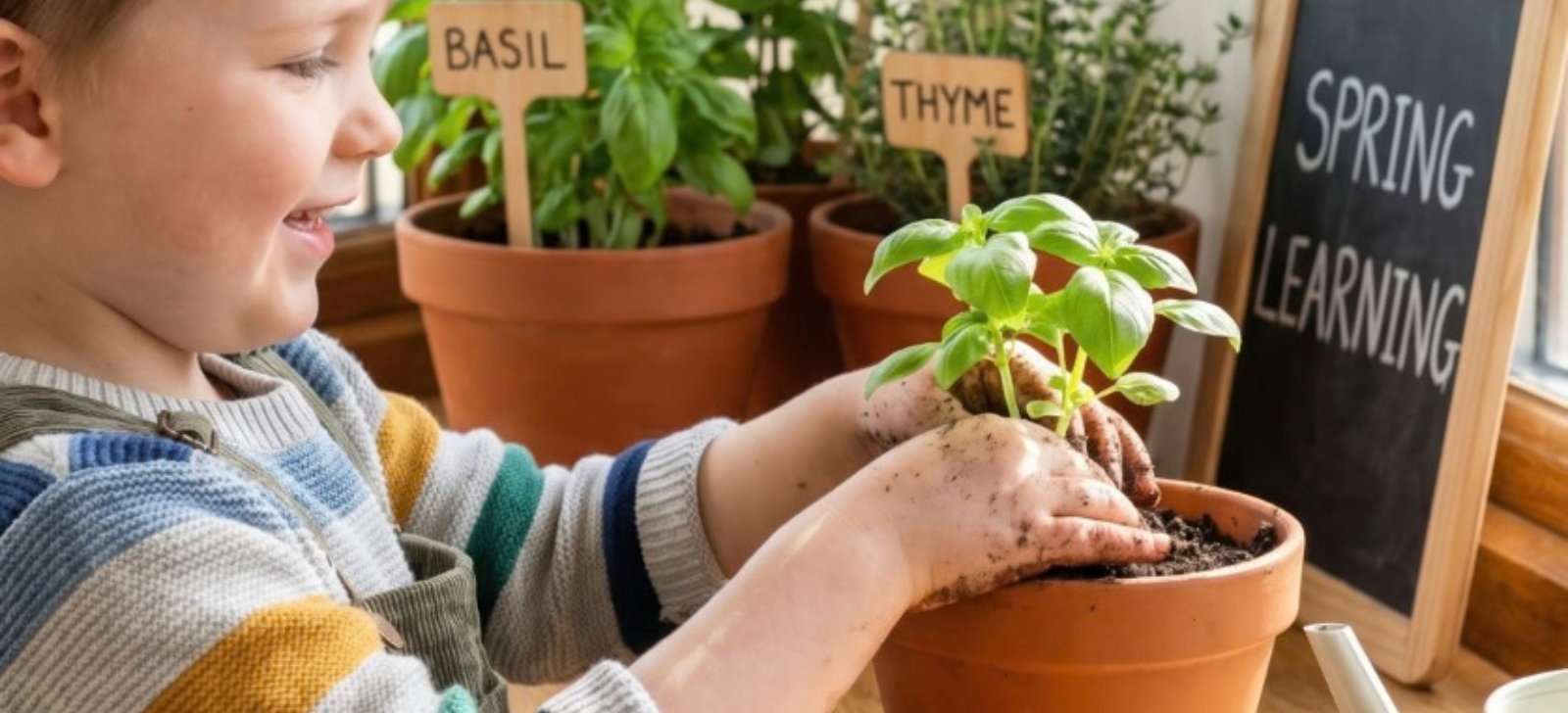
Plants are an important part of the world children see every day. Trees along the road, flowers in a garden, leaves on the ground, and small plants at home can all become opportunities for young children to explore and learn. Through simple observation, preschoolers can develop curiosity, vocabulary, attention, and early scientific thinking.
For families exploring preschools in Trivandrum, a learning environment that encourages children to discover the world around them can make early education more meaningful. Plant-based activities do not require complicated equipment. Simple experiences at home or in the classroom can help children learn naturally through observation and exploration.
Why Plant Observation Matters for Preschoolers
Young children are naturally interested in things that change and grow. Watching a seed develop into a plant or noticing differences between leaves can help them understand simple concepts about nature.
|
Activity |
Learning Benefit |
Simple Idea |
|
Leaf observation |
Observation skills |
Compare different leaves |
|
Planting seeds |
Responsibility |
Water and monitor a seed |
|
Flower exploration |
Colour recognition |
Identify colours and shapes |
|
Nature walks |
Environmental awareness |
Look for different plants |
|
Growth chart |
Early thinking |
Draw changes over time |
Observe Different Types of Leaves
Leaves provide an easy starting point for nature exploration. Take children outside and encourage them to observe leaves of different shapes, sizes, colours, and textures.
Ask questions such as, “Which leaf is bigger?” or “What shape is this leaf?” Children can then group leaves according to their similarities and differences.
This simple activity supports observation, comparison, and early classification skills.
Plant a Seed Together
Planting a seed allows children to observe growth over time. Give your child a small container with soil and help them plant a suitable seed. Let them water it regularly and check for changes.
Children can observe when the first shoot appears, how the leaves develop, and how the plant changes as it grows. This activity can introduce patience, responsibility, and basic ideas about plant growth.
Create a Plant Growth Chart
A simple growth chart can help children record what they observe. Instead of writing sentences, preschoolers can draw pictures showing how their plant changes each week.
Parents can ask children to explain their drawings. This encourages them to use new words, describe changes, and communicate their observations.
Explore Flowers Through Colours and Shapes
Flowers are an enjoyable way to introduce children to different colours, shapes, and sizes. During a garden visit or nature walk, encourage children to notice how flowers can look different from one another.
Children can later draw their favourite flower or create one using paper and safe craft materials. This combines nature observation with creative expression.
Go on a Simple Nature Walk
A short nature walk can turn an ordinary outdoor activity into a learning experience. Children can look for trees, grass, flowers, leaves, and other plants around them.
Parents can encourage children to describe what they see and ask simple questions about why plants need sunlight and water. These conversations can help children connect observations with basic scientific ideas.
What Children Learn Through Plant Activities
Plant-based activities can support several areas of early development. Children can practise:
-
Observation and attention
-
Early scientific thinking
-
Vocabulary and communication
-
Comparison and classification
-
Patience and responsibility
-
Environmental awareness
These experiences can complement the hands-on approach offered through quality preschool programs in Trivandrum.
Making Nature Part of Early Learning
Parents looking for preschools near Technopark can consider whether children have opportunities to explore their surroundings through practical experiences. Similarly, families comparing play schools in Trivandrum may look for environments where children are encouraged to observe, question, and discover.
A best play school in Trivandrum can make everyday experiences part of learning instead of limiting children to classroom activities. Parents choosing a kindergarten in Trivandrum can also consider how the learning environment encourages exploration and independent observation.
Conclusion
Children can learn a great deal from the plants they see every day. Observing leaves, planting seeds, exploring flowers, and taking nature walks can introduce young learners to important ideas about growth and the environment.
By encouraging preschoolers to look closely, ask questions, and talk about what they discover, parents and educators can make everyday nature experiences meaningful learning opportunities.