
How Preschool Helps Children Learn to Follow Group Norms and Boundaries
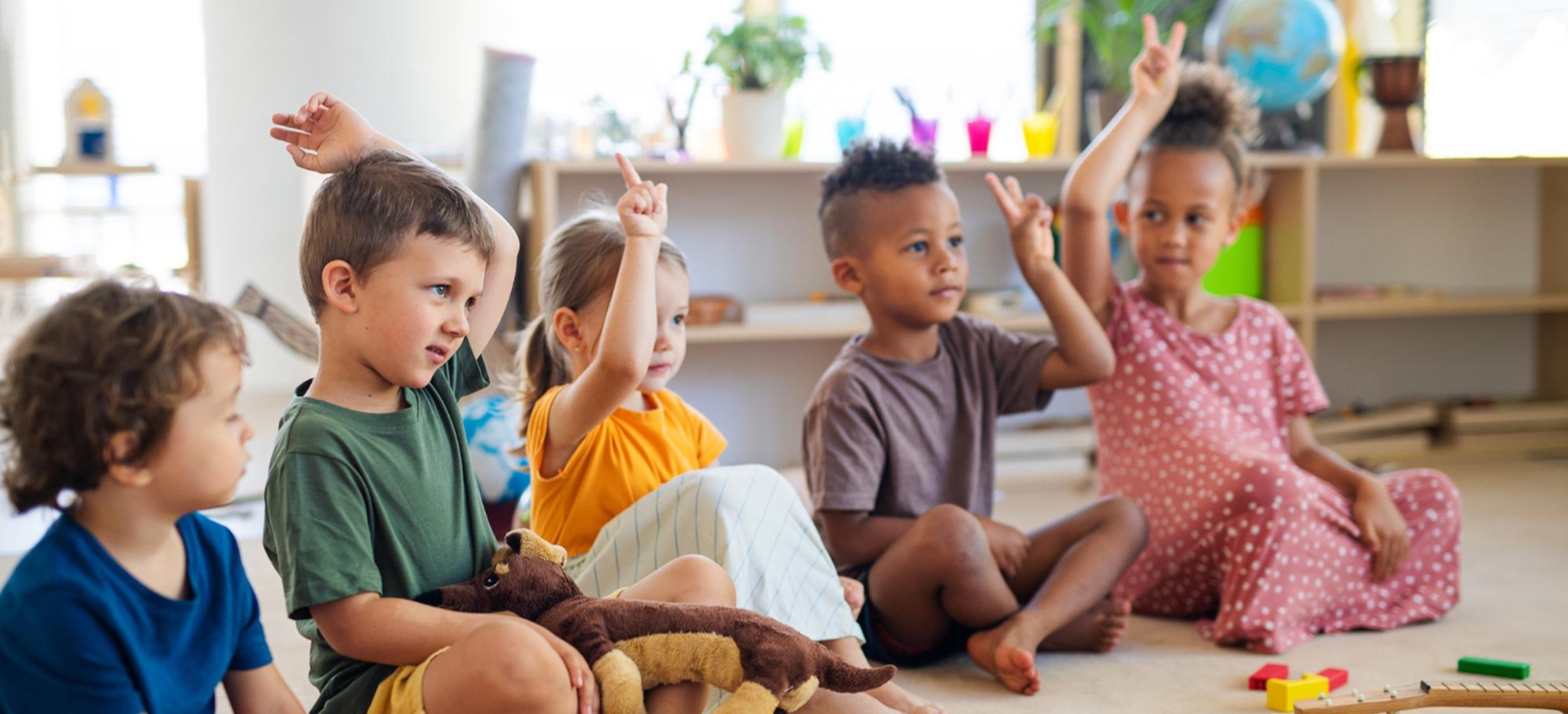
For many children, preschool is their first experience of being part of a structured group outside the family. This transition plays an important role in helping children understand that they are part of a wider community. In a preschool setting, children begin to learn group norms and boundaries that guide behaviour, interaction, and cooperation. These early experiences shape how children relate to others and manage expectations in shared spaces.
Understanding Group Norms in Early Childhood
Group norms are simple, shared rules that help everyone feel safe and respected. In preschool, these norms may include taking turns, listening when someone is speaking, and caring for shared materials. Young children are still developing self-control, so these expectations are introduced gently and consistently. Through daily repetition, children begin to understand that rules exist to support everyone, not to restrict them.
The Role of Daily Routines and Structure
Preschools follow predictable routines that help children understand boundaries naturally. Fixed times for activities such as circle time, play, meals, and rest give children a sense of order. When children know what comes next, they feel secure and are more willing to follow expectations. These routines help children learn patience, waiting, and transitioning between activities without distress.
Learning Boundaries Through Social Interaction
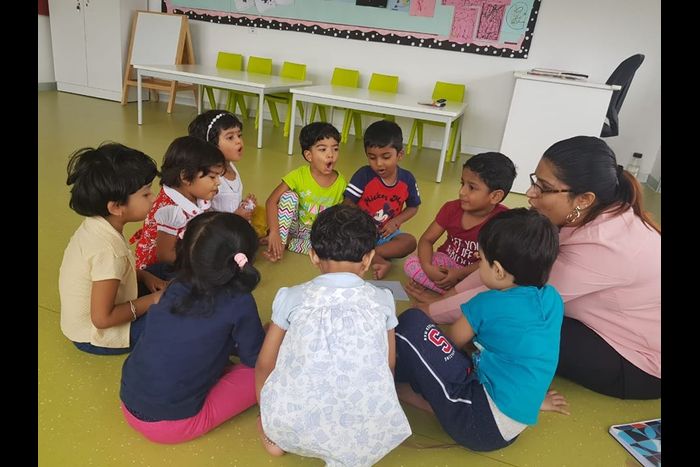
Interaction with peers is one of the most effective ways children learn boundaries. In preschool, children experience situations where they must share space, toys, and attention. Conflicts and disagreements are common, but they provide valuable learning moments. With guidance from educators, children learn how to respect personal space, express needs appropriately, and understand the impact of their actions on others.
The Educator’s Role in Guiding Behaviour
Preschool educators play a key role in teaching group norms and boundaries. Rather than enforcing rules through punishment, educators guide children with calm explanations and consistent responses. They model respectful behaviour, set clear expectations, and help children reflect on their choices. This approach supports understanding rather than fear, helping children internalise boundaries over time.
How Group Norms and Boundaries Are Reinforced
| Preschool Practice | Learning Experience | Skill Developed |
|---|---|---|
| Circle time rules | Listening and waiting for turns | Attention and patience |
| Shared play areas | Using common resources respectfully | Cooperation and sharing |
| Guided conflict resolution | Discussing feelings and solutions | Emotional control and empathy |
Developing Self-Regulation and Responsibility
Following group norms requires self-regulation, which develops gradually in early childhood. Preschool environments support this by offering gentle reminders and clear limits. Over time, children begin to regulate their own behaviour, understanding when to stop, wait, or ask for help. These experiences help children develop responsibility and confidence in managing themselves within a group.
Balancing Freedom and Boundaries
Preschool learning is most effective when freedom and boundaries are balanced. Children are encouraged to explore, play, and express themselves, while also respecting rules that keep the environment safe and fair. This balance helps children understand that boundaries do not limit enjoyment but make shared experiences more positive. When boundaries are consistent, children feel secure and supported.
Preparing Children for School and Beyond
The ability to follow group norms and respect boundaries prepares children for future learning environments. These skills support smoother transitions into formal schooling, where classroom expectations become more structured. Beyond academics, children who understand boundaries develop stronger social relationships and adapt more easily to different settings.
Conclusion: Building Social Understanding Early
Preschool plays a vital role in helping children learn how to function within a group. Through routines, guided interactions, and supportive educators, children begin to understand norms and boundaries that shape positive behaviour. These early lessons build the foundation for respectful relationships, emotional security, and successful participation in school and community life.