
How Music and Rhythm Support Early Brain Development in Young Children

From lullabies to playful clapping games, music is woven naturally into a young child’s world. Long before children understand words or numbers, they respond to sound, rhythm, and melody. Music and rhythm are not just sources of enjoyment; they play a significant role in early brain development. Through listening, moving, and repeating musical patterns, young children build neural connections that support learning across multiple areas of development.
How the Young Brain Responds to Music
In early childhood, the brain develops rapidly, forming connections based on experiences. Music activates multiple areas of the brain at the same time, including those responsible for language, movement, memory, and emotion. When children listen to songs or participate in rhythmic activities, their brains process patterns, timing, and sound variations. This multi-sensory engagement strengthens neural pathways and supports overall cognitive growth.
Music and Language Development
Music plays an important role in supporting early language skills. Songs introduce children to rhythm, repetition, and sound patterns that are similar to spoken language. Through singing, children learn new words, sentence flow, and pronunciation naturally. Rhymes and repetitive lyrics help improve memory and listening skills, making it easier for children to understand and use language in everyday communication.
Rhythm and Motor Skill Development
Rhythmic activities such as clapping, tapping, and dancing support physical coordination and motor development. When children move to a beat, they practise timing, balance, and body awareness. These movements help strengthen connections between the brain and muscles. Simple actions like marching to music or following rhythmic cues improve both fine and gross motor skills, which are essential for tasks such as writing and self-care.
Emotional and Social Benefits of Music
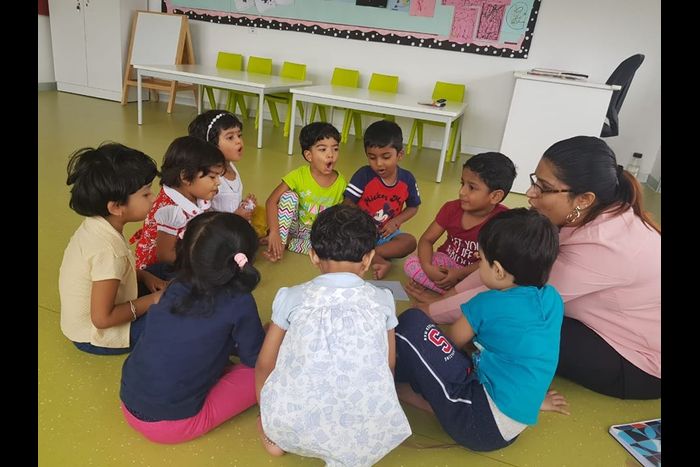
Music also supports emotional expression and social development. Children often use music to express feelings they may not yet be able to explain in words. Group musical activities encourage turn-taking, listening, and cooperation. Singing together helps children feel connected and builds a sense of belonging. Music can also be calming, helping children regulate emotions and manage transitions during the day.
Key Areas of Brain Development Supported by Music
| Development Area | Musical Experience | Developmental Impact |
|---|---|---|
| Language | Singing songs and rhymes | Vocabulary growth and sound recognition |
| Motor Skills | Clapping, dancing, movement games | Improved coordination and balance |
| Memory | Repetitive melodies and lyrics | Stronger recall and sequencing skills |
| Emotional Development | Listening and expressive music | Better emotional awareness and regulation |
The Role of Educators in Musical Learning
Early childhood educators play an important role in integrating music into daily learning experiences. Simple activities such as morning songs, action rhymes, and music during transitions create a rhythm to the day. Educators do not need formal musical training to support development. What matters is consistent exposure, enthusiasm, and encouraging children to participate freely without fear of mistakes.
Music as a Tool for Attention and Focus
Music and rhythm help children develop attention and listening skills. Following musical cues teaches children to wait, respond, and anticipate changes. These skills support focus and self-control, which are essential for later learning. Structured musical activities help children practise concentration while still enjoying a playful and engaging experience.
Encouraging Musical Experiences at Home
Musical learning does not stop at school. Families can support brain development by singing with children, playing simple instruments, or listening to music together. Everyday activities such as singing during routines or encouraging free movement to music strengthen learning in a relaxed and enjoyable way. These shared experiences also build strong emotional connections between children and caregivers.
Conclusion: Building Strong Brains Through Music
Music and rhythm offer powerful support for early brain development. By engaging multiple senses, music strengthens cognitive, physical, emotional, and social skills in young children. When children are given regular opportunities to explore sound and movement, they develop a strong foundation for learning. Through simple, joyful musical experiences, educators and parents help shape growing minds in meaningful and lasting ways.