
How Early Childhood Educators Help Children Self-Regulate Emotions

Emotional self-regulation is one of the most important skills a child develops in the early years. It refers to the ability to recognise emotions, manage reactions, and respond appropriately to different situations. For young children, this skill does not develop automatically. Early childhood educators play a crucial role in guiding children through emotional experiences, helping them understand feelings and respond with control and confidence.
Understanding Emotional Self-Regulation in Young Children
In early childhood, emotions are often intense and immediate. Young children may feel happiness, anger, frustration, or fear without knowing how to express or manage these feelings. Self-regulation at this stage involves learning to pause, name emotions, and choose appropriate responses. Educators understand that emotional outbursts are part of development and use these moments as learning opportunities rather than discipline issues.
Creating a Safe and Predictable Environment
A consistent and nurturing classroom environment supports emotional regulation. Early childhood educators establish predictable routines that help children feel secure. When children know what to expect, they are less anxious and more capable of managing emotions. Simple practices such as clear transitions, calm classroom tones, and familiar daily schedules help children develop emotional stability and trust.
Modelling Emotional Behaviour
Children learn emotional responses largely through observation. Educators act as emotional role models by demonstrating calm reactions, respectful communication, and empathy. When teachers manage their own emotions during stressful situations, children observe and imitate these behaviours. Over time, children begin to apply similar strategies when they face emotional challenges, learning that emotions can be expressed without losing control.
Teaching Children to Name and Understand Emotions
Helping children identify emotions is a key step in self-regulation. Educators regularly use emotion-based language, naming feelings during everyday situations. For example, acknowledging frustration during a difficult activity helps children connect words to emotions. This awareness allows children to communicate feelings instead of reacting impulsively, supporting emotional maturity.
Supporting Emotional Regulation Through Interaction
| Educator Approach | Classroom Practice | Emotional Outcome |
|---|---|---|
| Active listening | Giving full attention during emotional moments | Children feel understood and calm |
| Guided responses | Helping children express feelings in words | Improved emotional expression |
| Consistent boundaries | Clear and gentle limits on behaviour | Sense of emotional security |
Using Play and Stories to Explore Emotions
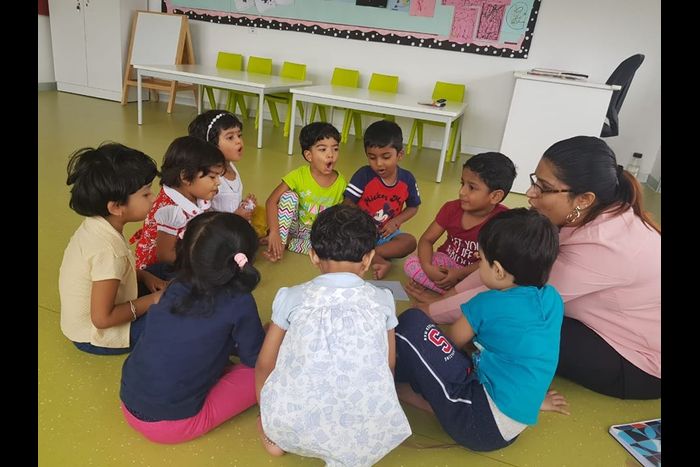
Play-based learning offers valuable opportunities to explore emotions in a natural way. Through role play, storytelling, and group activities, children act out real-life scenarios and emotional situations. Educators guide these interactions, encouraging children to reflect on feelings and responses. Stories, in particular, help children understand emotions through characters, making abstract feelings more relatable.
Encouraging Problem-Solving and Independence
Rather than solving every emotional conflict for children, educators encourage problem-solving. They guide children to think about solutions, ask questions, and make choices. This approach builds emotional confidence and independence. When children learn that they can manage emotions with support, they develop resilience and self-control that strengthens over time.
Partnering with Parents for Emotional Consistency
Emotional learning is most effective when school and home environments work together. Early childhood educators communicate regularly with parents about emotional development and strategies used in the classroom. This consistency helps children apply emotional regulation skills across different settings, reinforcing learning and reducing confusion.
Long-Term Impact of Early Emotional Support
Children who develop strong emotional self-regulation in early childhood are better prepared for future academic and social challenges. They show improved focus, healthier relationships, and greater adaptability. These skills support not only school readiness but also long-term wellbeing and confidence.
Conclusion: Guiding Emotions with Care and Understanding
Early childhood educators play a vital role in shaping how children understand and manage emotions. Through supportive environments, positive modelling, and intentional guidance, educators help children build emotional self-regulation skills that last a lifetime. When emotional development is nurtured early, children grow into confident learners who can navigate challenges with balance and self-awareness.