
Helping Children Develop Healthy Classroom Habits Early
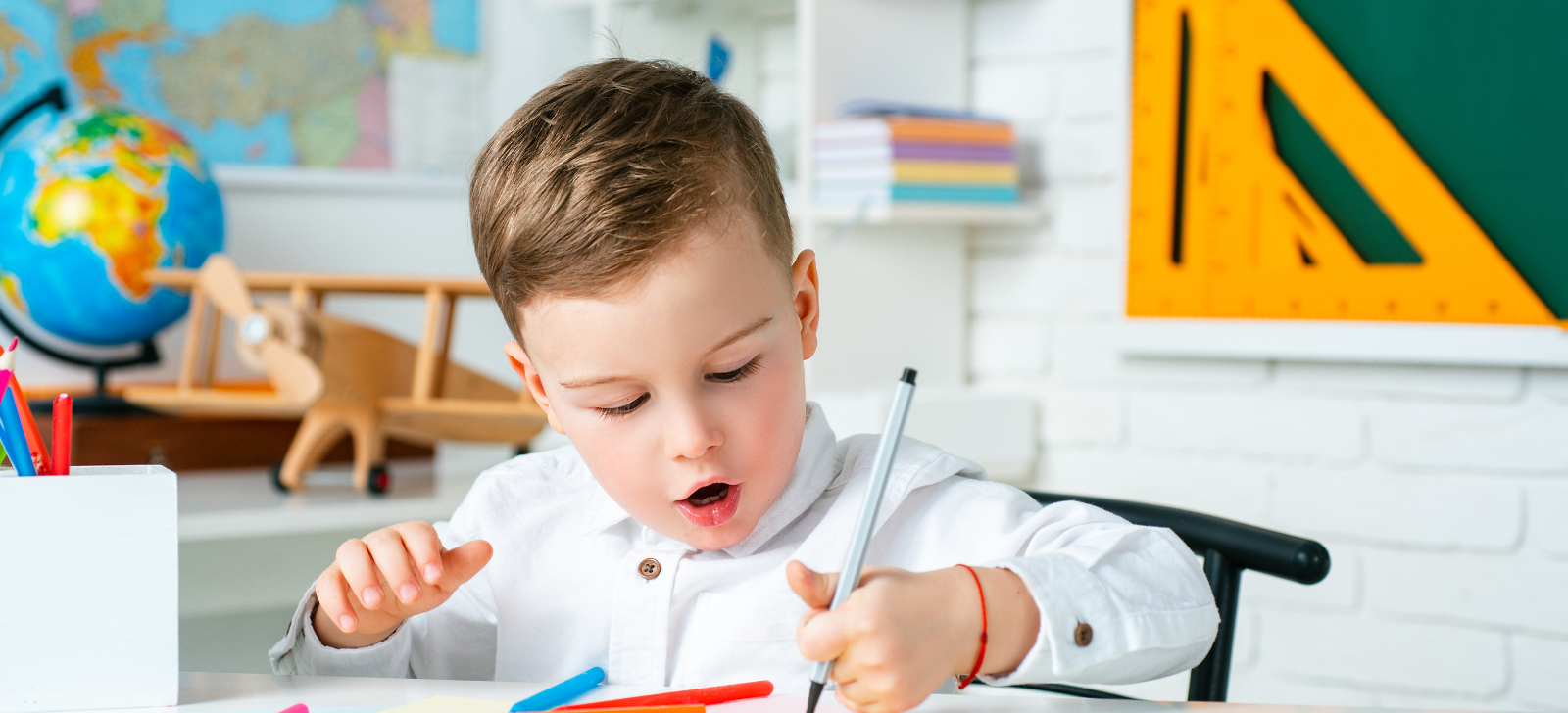
The early years of education are about much more than learning letters and numbers. They are also the time when children begin developing habits that influence how they learn, interact, and grow. Healthy classroom habits help preschoolers feel confident, responsible, and comfortable in a learning environment.
By introducing these habits early, parents and educators can support children's academic, social, and emotional development while preparing them for future learning experiences.
Why Classroom Habits Matter
Children thrive when they know what is expected of them. Simple daily routines and positive behaviours help them feel secure and make it easier to participate in classroom activities.
Healthy classroom habits encourage children to:
-
Follow routines independently
-
Listen and communicate respectfully
-
Take responsibility for their belongings
-
Build positive relationships with peers
These skills create a strong foundation for lifelong learning.
|
Healthy Habit |
How It Helps Children |
Long-Term Benefit |
|
Listening attentively |
Improves focus and understanding |
Better communication skills |
|
Following routines |
Builds responsibility |
Greater independence |
|
Sharing and cooperating |
Encourages teamwork |
Strong social skills |
Encourage Independence
Giving children small responsibilities helps them become more confident. Simple tasks such as putting away toys, organising learning materials, or washing their hands independently teach responsibility and self-reliance.
When children complete these tasks successfully, they develop confidence in their own abilities.
Teach Respect Through Daily Actions
Respect is one of the most valuable habits children can develop during the preschool years. Learning to wait for their turn, listen when others speak, and use polite language helps children build positive relationships.
Parents can reinforce these behaviours at home by modelling kindness and respectful communication in everyday situations.
Build Consistent Routines
Predictable routines help children know what comes next and reduce uncertainty. Regular schedules for learning, play, meals, and rest create a sense of stability that supports both behaviour and emotional well-being.
Many parents looking for the best kindergarten schools in Trivandrum value learning environments that combine structured routines with a warm and supportive atmosphere.
Encourage Positive Communication
Children should feel comfortable asking questions, expressing ideas, and sharing their feelings respectfully. Positive communication helps build confidence while improving language and social skills.
Teachers and parents can encourage this by listening patiently, asking open-ended questions, and praising thoughtful participation.
Work Together as Parents and Educators
Healthy classroom habits are reinforced when children receive consistent guidance both at school and at home. When parents and teachers work together, children understand expectations more clearly and adapt to routines with greater confidence.
Simple communication about classroom activities and daily progress helps create a supportive learning experience.
Conclusion
Healthy classroom habits are essential for helping children become confident, responsible, and engaged learners. Skills such as listening, following routines, respecting others, and communicating positively contribute to success both inside and outside the classroom.
Parents choosing a kindergarten in Trivandrum can look for learning environments that encourage these positive habits while supporting every child's emotional, social, and academic development.