
Executive Function Skills in Preschoolers

In the preschool years, children develop more than basic literacy and numeracy skills. They build essential mental abilities known as executive function skills. These skills help children manage attention, control impulses, remember instructions, and adapt to new situations. Although they may not be visible like reading or writing, executive function skills form the foundation for academic success and healthy social development.
What Are Executive Function Skills?
Executive function refers to a set of cognitive processes that allow children to plan, focus, remember information, and regulate behaviour. In preschoolers, these skills are still developing and require consistent support. Executive function is often grouped into three core areas: working memory, inhibitory control, and cognitive flexibility. Together, these abilities help children navigate daily tasks and classroom expectations.
Core Components of Executive Function
| Skill Area | Description | Classroom Example |
|---|---|---|
| Working Memory | Holding and using information mentally | Following multi-step instructions |
| Inhibitory Control | Managing impulses and reactions | Waiting for a turn during activities |
| Cognitive Flexibility | Adapting to changes and new ideas | Switching from playtime to learning tasks |
Why Executive Function Skills Matter in Preschool
Preschool is often a child’s first structured learning environment. Executive function skills enable children to sit in a group, listen to instructions, and complete simple tasks independently. Without these skills, even basic classroom participation can be challenging. Strong executive functioning supports school readiness by helping children manage emotions, interact positively with peers, and stay focused during learning activities.
Developing Working Memory in Early Years
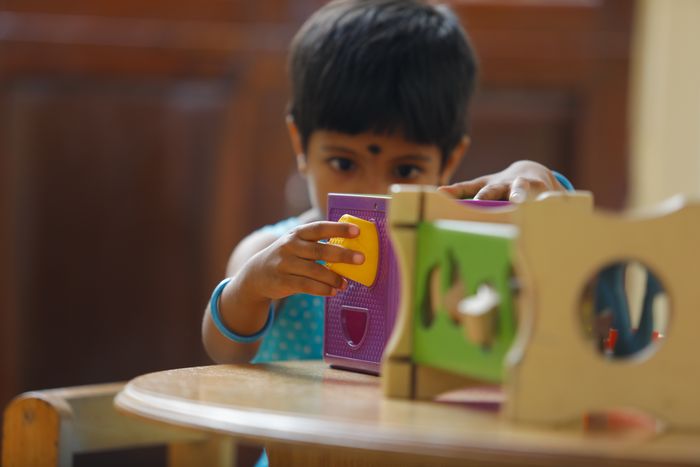
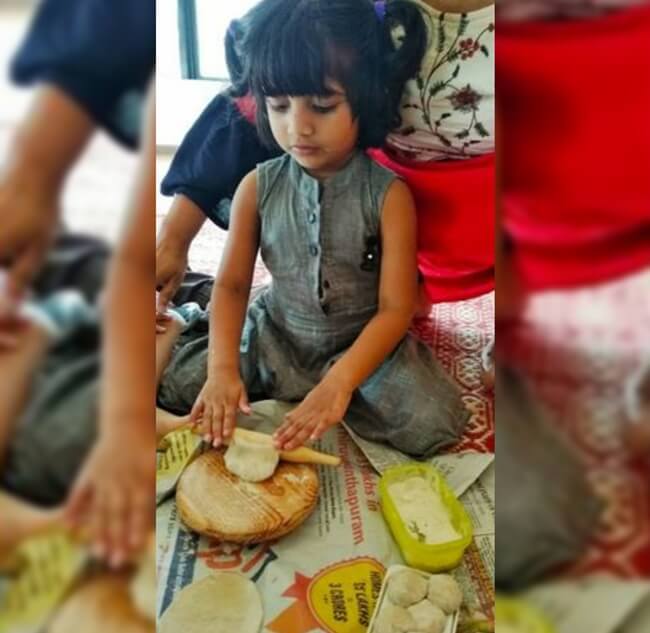
Working memory allows children to hold information briefly and use it to complete tasks. In preschool, this might involve remembering classroom rules or recalling steps in a simple activity. Storytelling, songs with actions, and guided play activities strengthen working memory naturally. Repetition and structured routines further support its development.
Encouraging Self-Control and Impulse Management
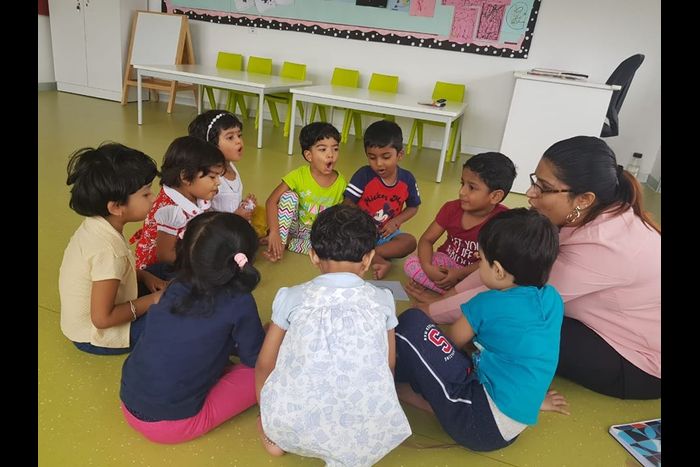
Inhibitory control helps children pause before acting. Preschoolers are naturally energetic and curious, but learning when to wait or stop is essential for group learning. Games that involve taking turns, listening for cues, or following changing instructions help children practise impulse control. Over time, children begin to regulate their behaviour independently.
Building Cognitive Flexibility Through Play
Cognitive flexibility allows children to adapt when plans change or when they are introduced to new ideas. Play-based learning is particularly effective in developing this skill. When children engage in role play or problem-solving tasks, they learn to adjust perspectives and explore alternative solutions. This flexibility supports creative thinking and resilience.
The Role of Educators in Strengthening Executive Function
Preschool educators create environments that nurture executive function development. Clear routines, structured activities, and positive reinforcement provide stability and predictability. Teachers also model calm behaviour and guide children in managing emotions. Through consistent support, children gradually build independence and self-confidence.
How Parents Can Support Executive Function at Home
Families play a vital role in strengthening executive function skills. Simple daily practices such as maintaining routines, encouraging independent tasks, and playing memory-based games reinforce classroom learning. Providing opportunities for children to make small choices also enhances planning and decision-making skills.
Long-Term Impact on Academic and Social Success
Research shows that strong executive function skills in early childhood are linked to better academic performance, improved behaviour, and stronger social relationships later in life. These skills help children handle complex tasks, manage challenges, and remain organised as academic demands increase.
Conclusion: A Strong Start for Lifelong Learning
Executive function skills may develop quietly, but their impact is significant. In preschoolers, these abilities support focus, self-control, and adaptability, laying the groundwork for future success. When educators and families work together to nurture these skills, children gain the tools they need to thrive in school and beyond.