
Encouraging Independent Play: Why It Matters and How Parents Can Support It
Independent play is an essential part of early childhood development, yet many parents underestimate how impactful it can be. While spending quality time with your child is important, giving them the space to explore on their own nurtures confidence, creativity, and essential thinking skills. When a child plays independently, they learn to rely on their imagination, make decisions on their own, and understand the world through their personal experiences. This quiet but meaningful form of play forms the foundation for emotional, social, and cognitive growth.
What Is Independent Play?
Independent play refers to the time when a child engages in play without constant adult involvement. It does not mean leaving the child unattended; instead, the parent remains close by but allows the child to take the lead. During independent play, children choose their activities, solve small challenges, and enjoy the freedom of exploring objects, ideas, and stories at their own pace.
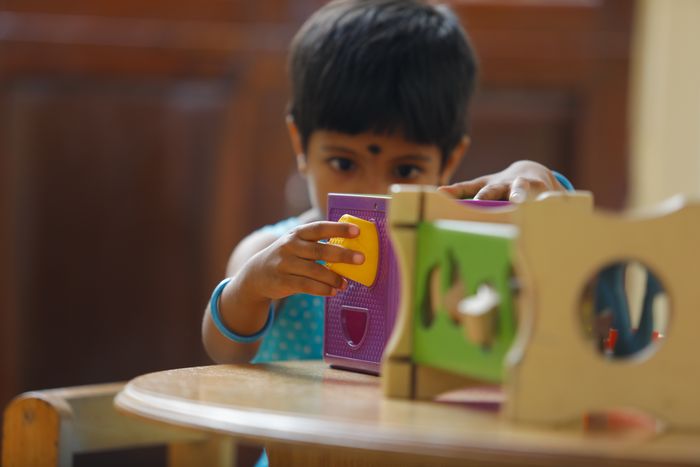
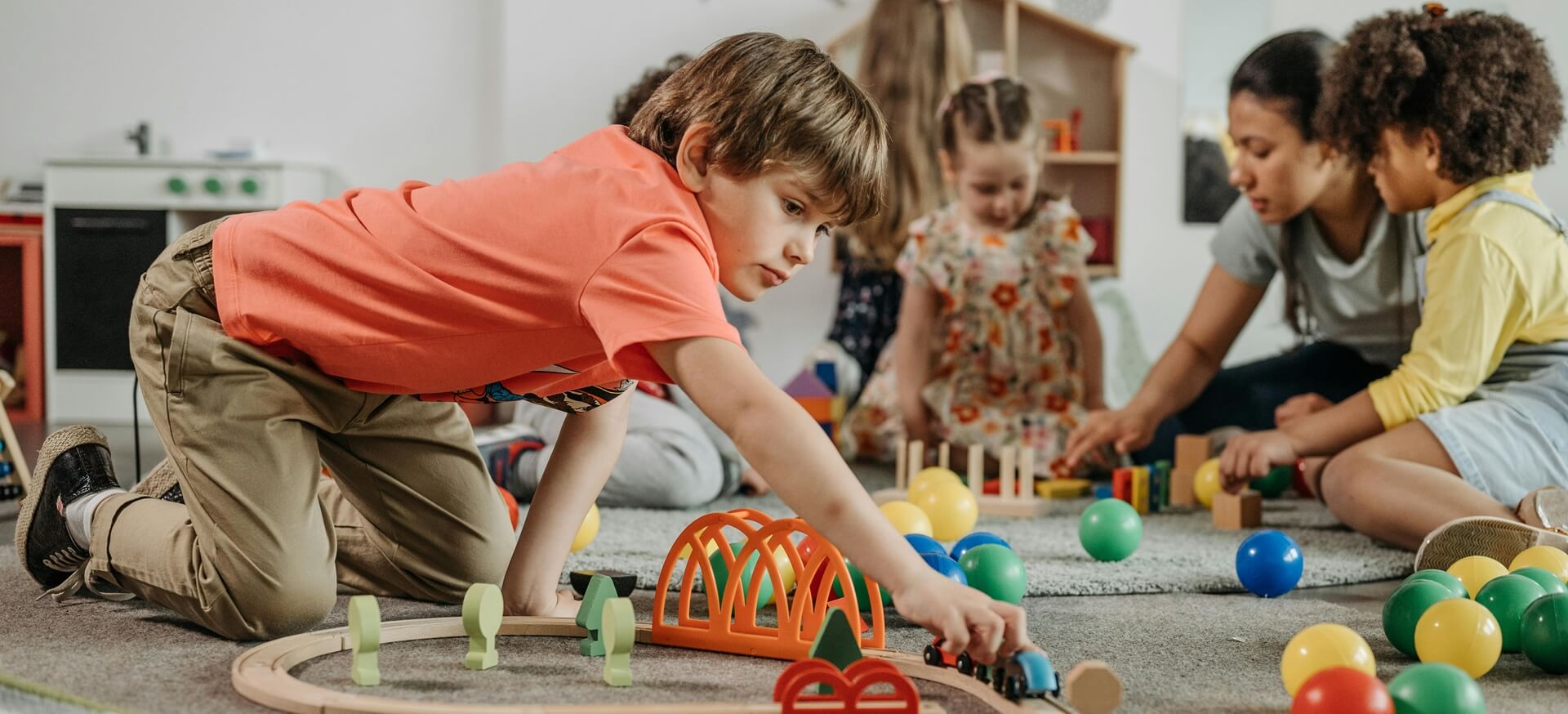
Children show independent play in different ways depending on their age. A toddler may stack blocks, explore picture books, or roll a toy car repeatedly. A preschooler might create pretend scenarios or build a structure from basic materials. Regardless of the activity, the child is absorbed, relaxed, and self-driven.
Why Independent Play Matters for Development
Independent play strengthens a range of developmental skills. Emotionally, it helps children manage small frustrations on their own. When a puzzle piece does not fit or a tower collapses, they learn patience and persistence. These moments slowly build resilience and emotional maturity.
Cognitively, children learn to solve problems, think creatively, and make decisions independently. Since no adult is guiding them, they must figure out what they want to do, how to do it, and what to try next. This trial-and-error process supports brain development and fuels curiosity.
Socially, independent play allows children to understand themselves better. They discover what interests them, how long they can stay focused, and how they prefer to play. This self-awareness builds confidence and prepares them for environments like preschool, where independent tasks are a part of daily routines.
How Independent Play Builds Confidence
Confidence grows when children are able to do things on their own. During independent play, every small achievement—such as completing a puzzle or imagining a story—reinforces their belief in their abilities. This growing confidence reflects in daily tasks as well. Children may begin dressing themselves, organising their toys, or attempting new activities without hesitation. Over time, this builds emotional strength, helping them cope with challenges calmly and independently.
Encouraging Longer Attention Span
One common concern among parents is that their child seems unable to focus for long. Independent play naturally improves attention span. When children engage in an activity that interests them, they often stay involved for longer periods without realising it. As they become used to uninterrupted playtime, their ability to concentrate strengthens. This gradual increase in focus prepares them for structured classroom learning in the future.
How Parents Can Support Independent Play
Parents play a major role in creating an environment where independent play can flourish. Setting up a safe and inviting play area allows children to explore freely without constant supervision. Keeping toys within easy reach encourages them to choose what they want without relying on adult help. The parent’s presence should be reassuring but non-intrusive.
Introducing independent play in short bursts works well for younger children. A few minutes of self-directed play can slowly extend to longer periods as the child becomes more confident. Quiet observation from a distance helps the child feel supported without being interrupted. Stepping in only when necessary keeps the flow of play intact.
Toy rotation is another simple strategy. Bringing out a different set of toys occasionally renews the child’s interest and encourages fresh exploration. Simple, open-ended toys—such as blocks, pretend cooking sets, basic puzzles, and picture books—are ideal because they allow creativity and imagination to lead the experience.
Conclusion
Independent play is a powerful tool for supporting a child’s overall development. It nurtures emotional resilience, deepens creativity, enhances problem-solving abilities, and builds strong confidence. Parents do not need elaborate setups or expensive toys to encourage it. A safe space, gentle guidance, and consistent opportunities are enough. By giving children the freedom to explore, imagine, and create, parents help them grow into independent, confident, and curious learners.